
Why Fall Is the Biggest Season for Fragrance Brands
For many makers, fall is the most important selling season of the year. Customers begin shopping for autumn-inspired products as early as July, retailers prepare seasonal displays months in advance, and consumers naturally gravitate toward fragrances that evoke warmth, comfort, nostalgia, and home.
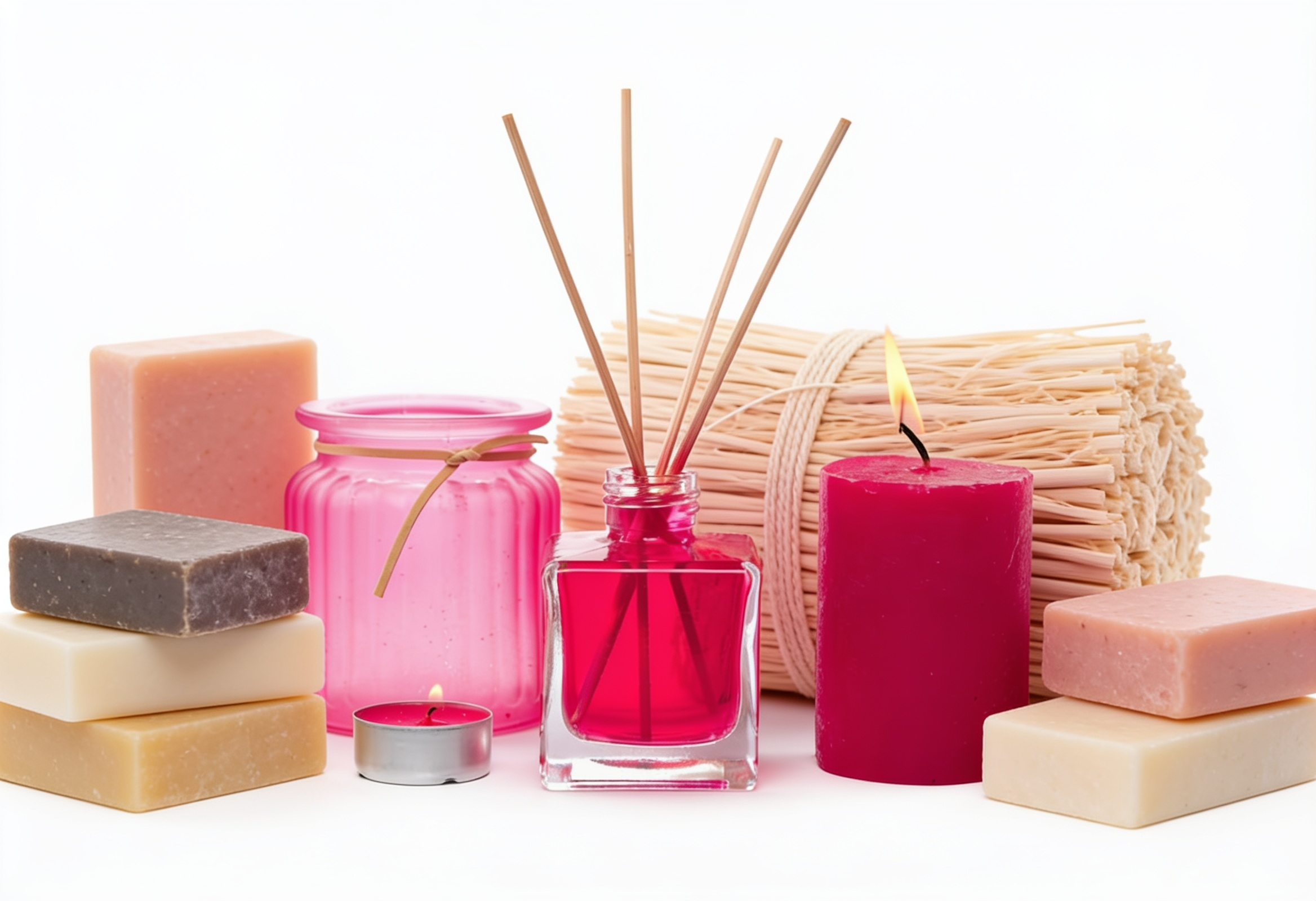
Whether you create candles, soaps, wax melts, room sprays, reed diffusers, laundry products, or bath and body collections, your fall lineup can significantly influence your annual revenue. But choosing which fragrances to release is often one of the biggest challenges.
Should you launch something completely new? Should you bring back customer favorites? How many trendy fragrances should you introduce alongside proven best sellers?
You shouldn’t have to rely on just following trends. Instead, it’s balancing innovation with consistency.
The top fall fragrance oils each year often combine timeless seasonal classics with a handful of modern interpretations that reflect changing consumer preferences. Understanding where those ideas come from allows you to create collections that feel fresh while still delivering the fragrances customers expect every autumn.
Why Some Fall Fragrances Never Go Out of Style
Every year brings new trends, but certain fragrance families continue to perform because they are deeply connected to seasonal memories and traditions.
People don’t simply purchase fragrances because they smell pleasant. They purchase emotions.
Autumn naturally reminds people of:
- Crisp mornings
- Changing leaves
- Family gatherings
- Baking desserts
- Bonfires
- Cozy blankets
- Apple orchards
- Pumpkin patches
- Holiday preparation
These experiences create emotional connections that remain remarkably consistent year after year.
That’s why fragrances like:
- Pumpkin Spice
- Macintosh Apple
- Cinnamon Stick
- Vanilla
- Maple
- Bourbon
- Cedarwood
- Cashmere
- Amber
- Clove
- Cranberry
- Chai
- Toasted Marshmallow
continue selling season after season.
While fragrance trends evolve, these classic scent profiles rarely disappear. Instead they just receive updated interpretations.
What Fall Fragrance Trends Are Emerging for 2026?
Rather than moving away from traditional autumn scents, 2026 continues the shift toward elevated, sophisticated fragrance experiences.
Consumers increasingly prefer fragrances that feel layered rather than overly sweet.
Some growing trends include:
- Smoked vanilla blends
- Salted caramel with woody notes
- Black cardamom
- Golden amber
- Warm cashmere accords
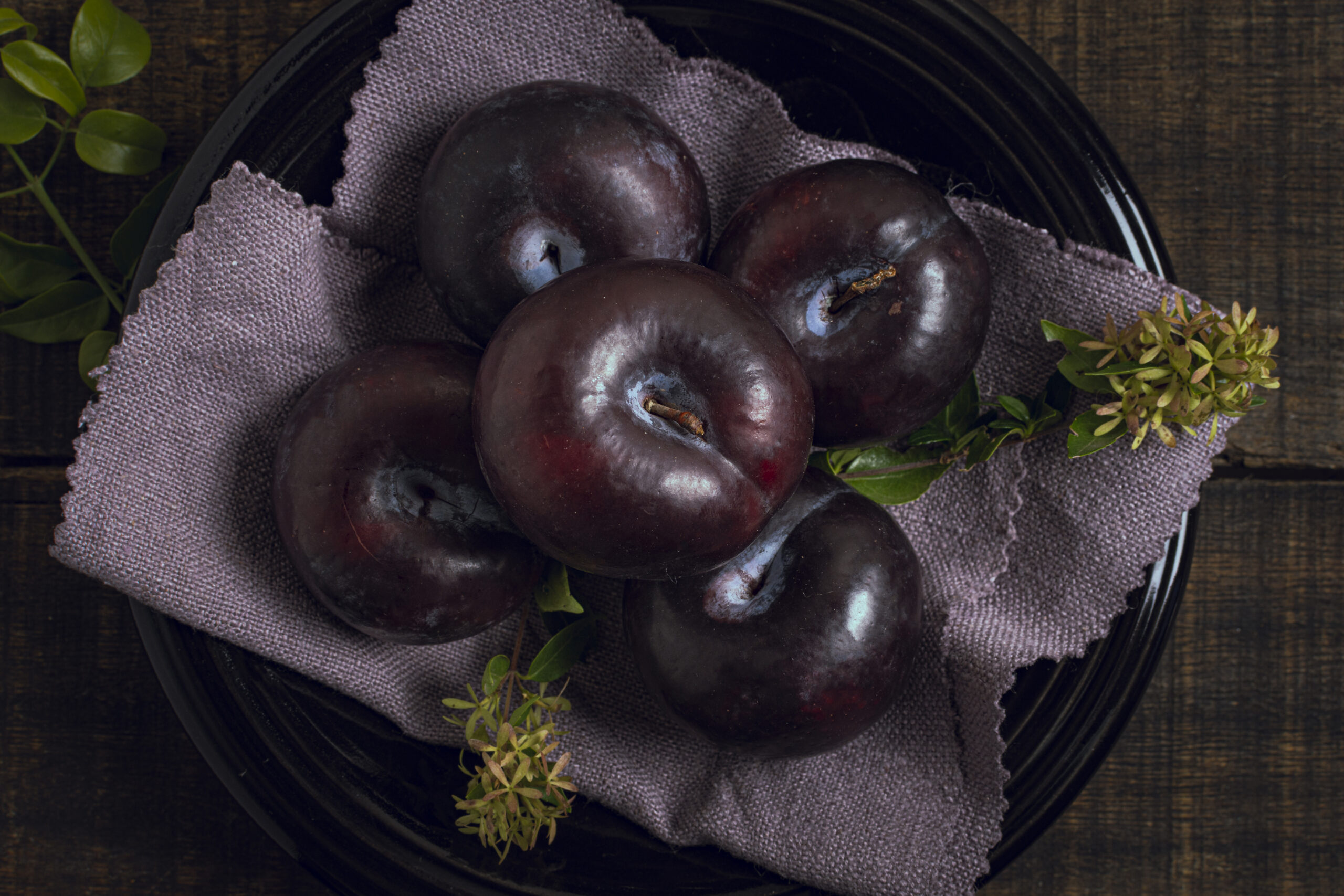
- Dark plum
- Spiced pear
- Fig and tonka bean
- Herbal lavender
- Sandalwood paired with pumpkin
- Flannel and linen
- Black tea fragrances
- Forest-inspired woods
- Moss and cedar combinations
Instead of creating fragrances that smell like desserts alone, many successful brands are pairing gourmand notes with woods, musk, resin, or spice to create fragrances that appeal to a wider audience.
Where to Find Inspiration for New Fall Fragrance Collections
Creative inspiration is everywhere—but successful brands know how to filter ideas into products customers actually want to buy.
Here are some of the best places to begin.
Nature
Nature remains one of the strongest sources of fragrance inspiration.
Take a walk through:
- Local parks
- Hiking trails
- Botanical gardens
- Apple orchards
- Vineyards
- Pumpkin farms
Pay attention to the atmosphere rather than individual scents.
Ask yourself:
- What colors dominate?
- What textures stand out?
- Is the air dry or damp?
- Are there smoky notes from fireplaces?
- What emotions does the environment create?
Sometimes the feeling of a place becomes the inspiration for an entire fragrance collection.
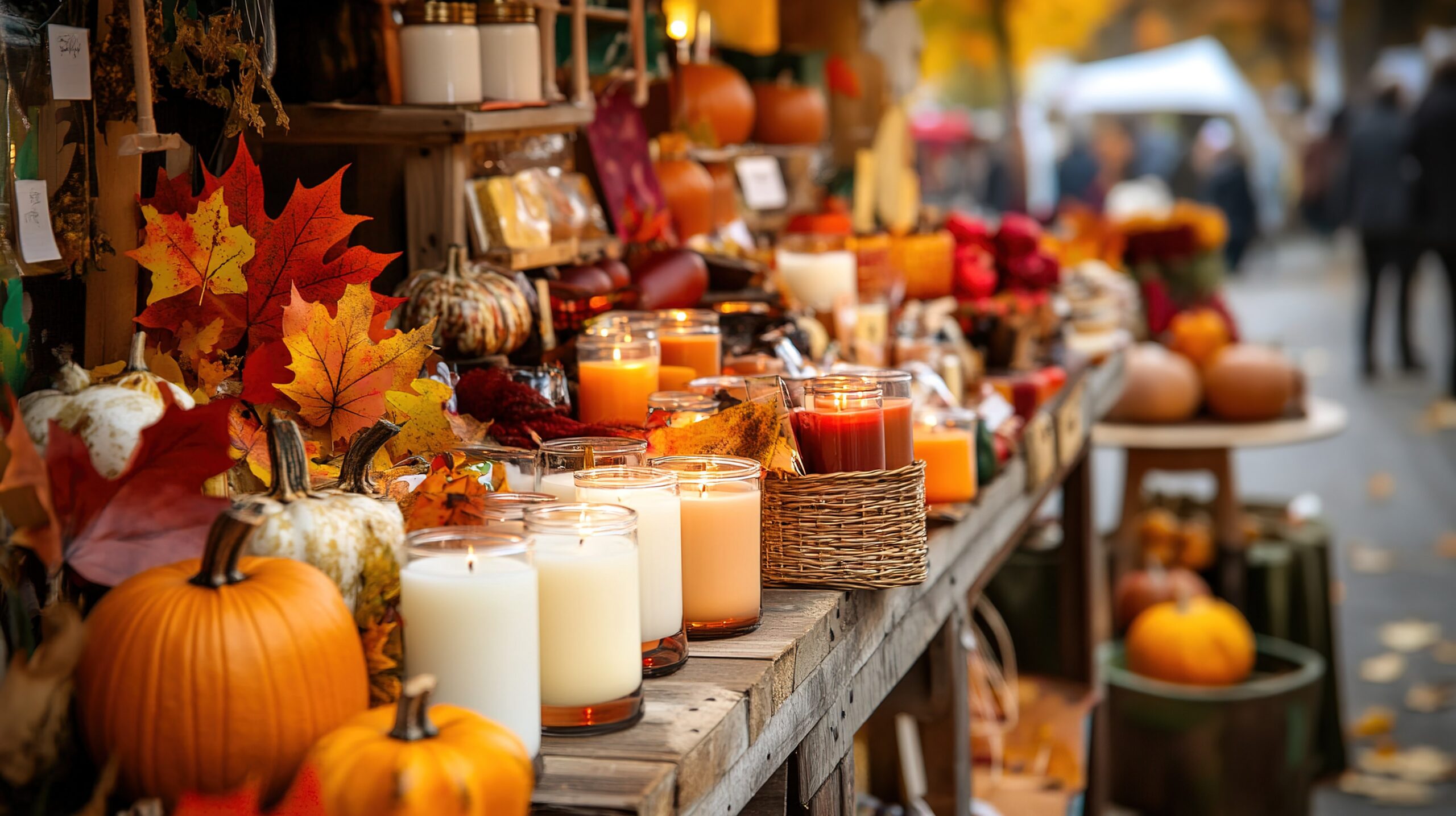
Visit Local Farmers Markets
Farmers markets provide incredible inspiration because they combine food, flowers, herbs, and seasonal décor in one location.
Notice:
- Fresh baked goods
- Cinnamon breads
- Honey
- Local jams
- Dried flowers
- Apples
- Pears
- Fresh herbs
- Pumpkins
- Gourds
- Pinecones
These combinations often inspire unique fragrance pairings you might not have considered.
Boutique Shopping
Spend time visiting:
- Home décor stores
- Boutique gift shops
- Candle stores
- Garden centers
- Luxury bath shops
Observe:
- Product names
- Packaging colors
- Seasonal displays
- Merchandising
- Collection themes
You’re looking for patterns but you don’t have to copy others. If five different retailers feature warm amber and cashmere this season, that’s valuable market information.
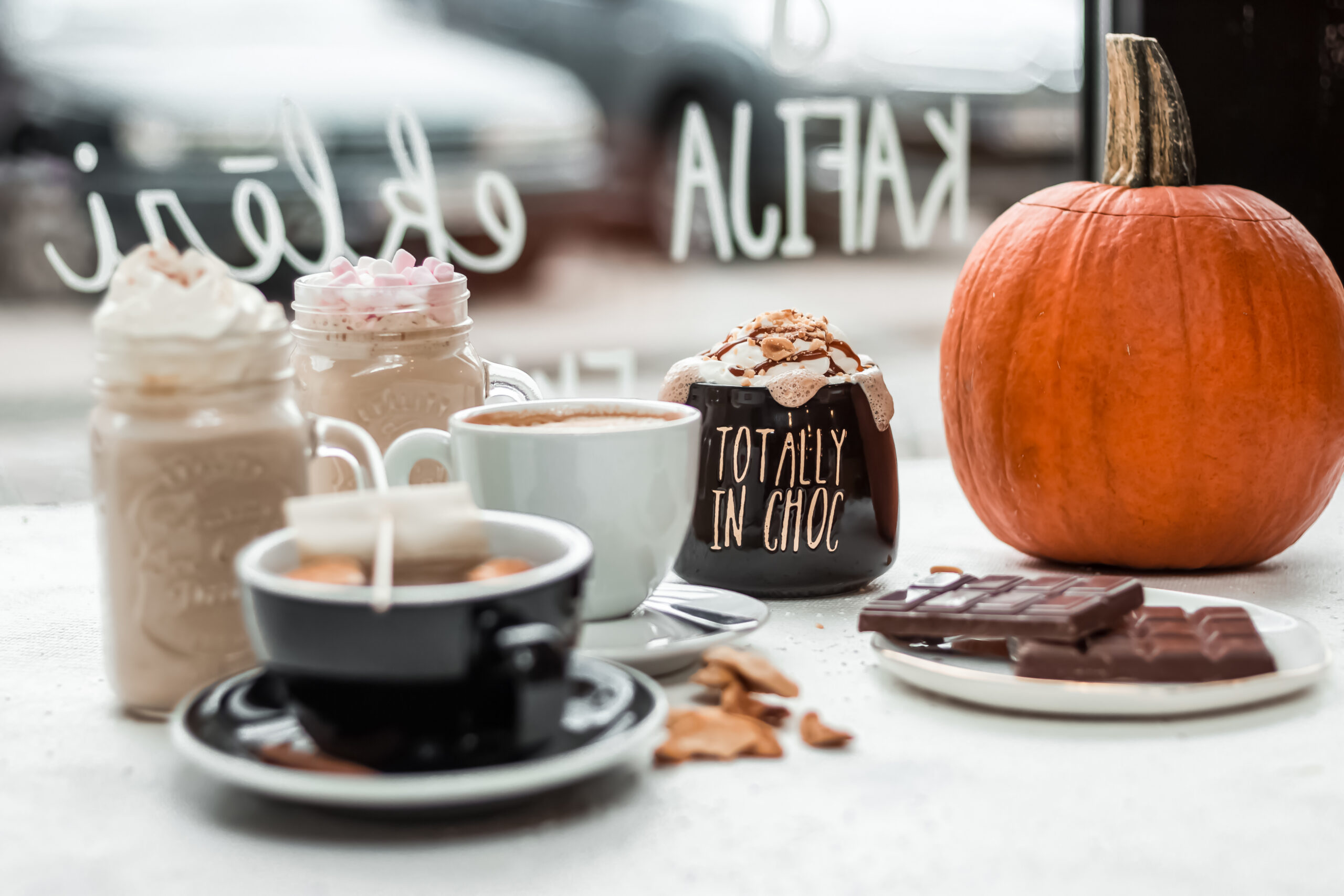
Pay Attention to Coffee Shops
Coffee shops are surprisingly valuable sources of fragrance inspiration.
Seasonal menus introduce flavor combinations consumers quickly associate with autumn.
Examples include:
- Maple pecan
- Pumpkin chai
- Cinnamon oat milk
- Salted caramel
- Honey espresso
- Brown sugar
- Apple crisp
- Vanilla chestnut
These combinations frequently become popular fragrance profiles shortly afterward.
Analyze Your Own Sales History
One of the most overlooked sources of inspiration is your own sales data.
Before introducing new fragrances, review:
- Best-selling fall products
- Slow-moving fragrances
- Customer reviews
- Repeat purchases
- Wholesale reorders
- Products that sold out
Patterns often emerge. Your customers consistently prefer apple fragrances over pumpkin or maybe masculine woods outperform fruity and gourmand scents. Sales data removes much of the guesswork.
Listen to Your Customers
Your customers regularly tell you what they want—you simply need to listen.
Ask questions through:
- Instagram polls
- Facebook groups
- Email newsletters
- Product reviews
- Vendor events
- In-person markets
Questions like:
- Which fragrance should return this fall?
- Which scent would you love to see next?
- What fragrance reminds you most of autumn?
can provide better product direction than guessing.
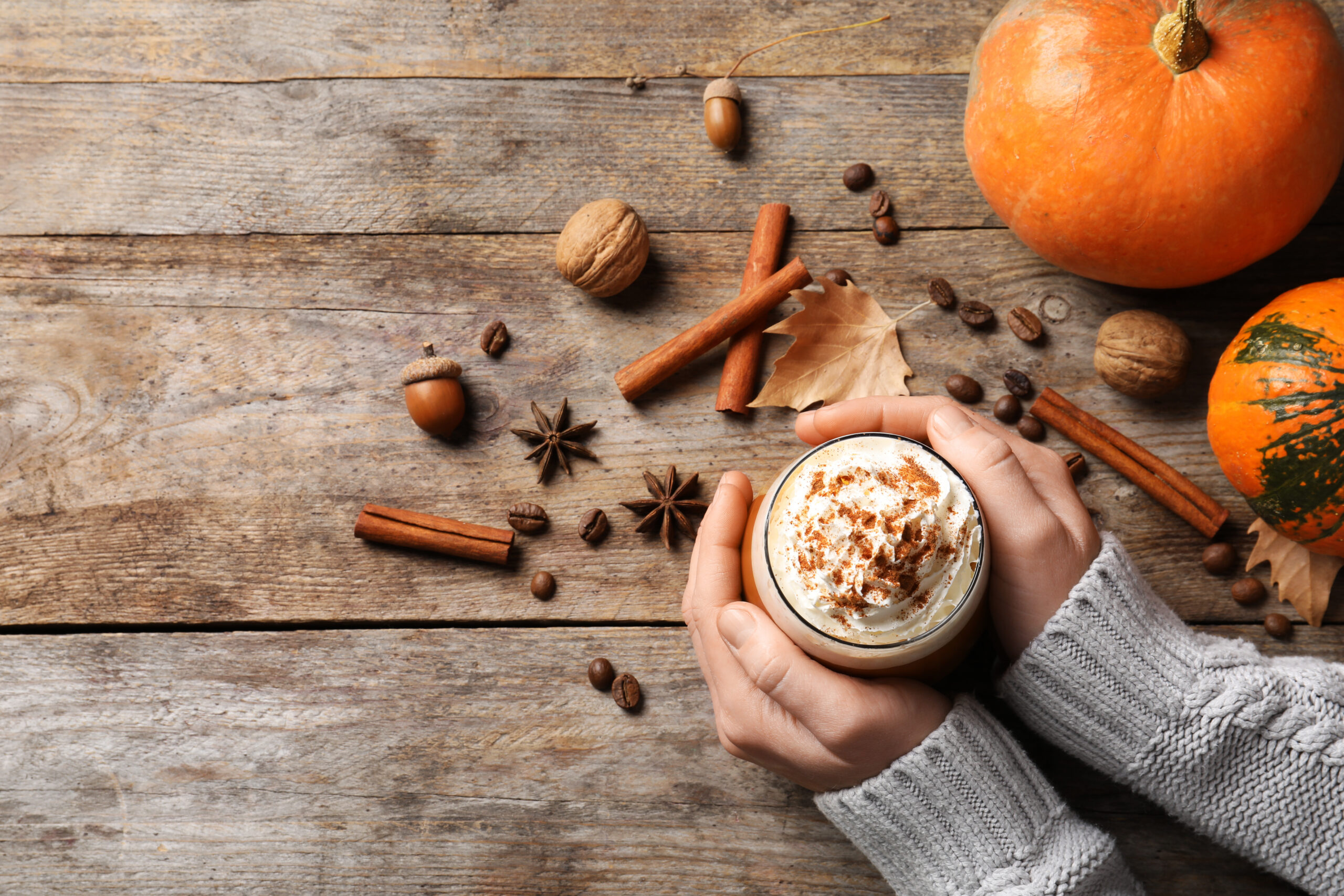
Should You Follow Every Fragrance Trend?
Absolutely not. One mistake many growing businesses make is replacing their best sellers every year with completely new collections. Customers return because they expect to find familiar favorites. Removing proven fragrances simply because they feel “old” can hurt sales.
Instead, think of your collection as having three categories:
- Core fragrances
- Seasonal classics
- New releases
This balance keeps customers excited while maintaining dependable revenue.
Why Best Sellers Deserve a Permanent Place
If a fragrance has consistently performed well for several years, it has earned its place.
Best sellers often:
- Generate repeat customers
- Build brand recognition
- Create customer loyalty
- Produce predictable sales
- Require less marketing
Many successful brands make only small improvements each season rather than reinventing their lineup.
Returning favorites become traditions customers anticipate every year.
How Many New Fall Fragrances Should You Introduce?
Most successful seasonal collections don’t require dozens of new fragrances.
A practical strategy is:
- 60–70% proven best sellers
- 20–30% returning seasonal favorites
- 10–20% brand-new introductions
This approach minimizes inventory risk while giving customers something fresh to discover.
Testing a handful of new fragrances allows you to identify future best sellers without overwhelming your production schedule.
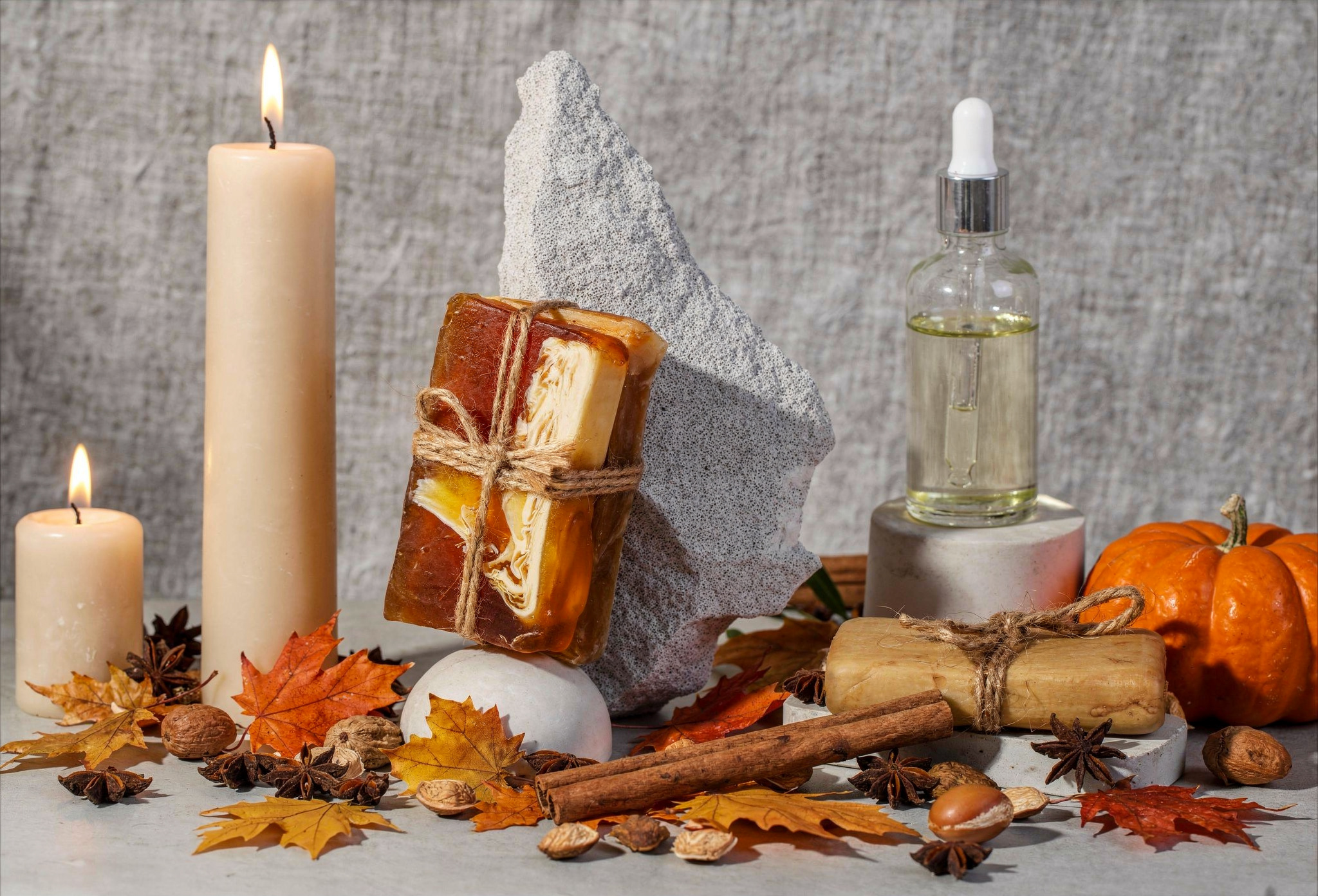
Build Collections Instead of Individual Products
Customers increasingly purchase collections rather than individual items. Instead of releasing one candle, think about creating coordinated product lines featuring the same fragrance.
For example:
Harvest Orchard
- Candle
- Wax Melt
- Room Spray
- Reed Diffuser
- Laundry Detergent
- Hand Soap
This creates multiple purchase opportunities while reinforcing your brand identity.
Give Your Fragrances Memorable Names
Creative naming can dramatically influence customer perception.
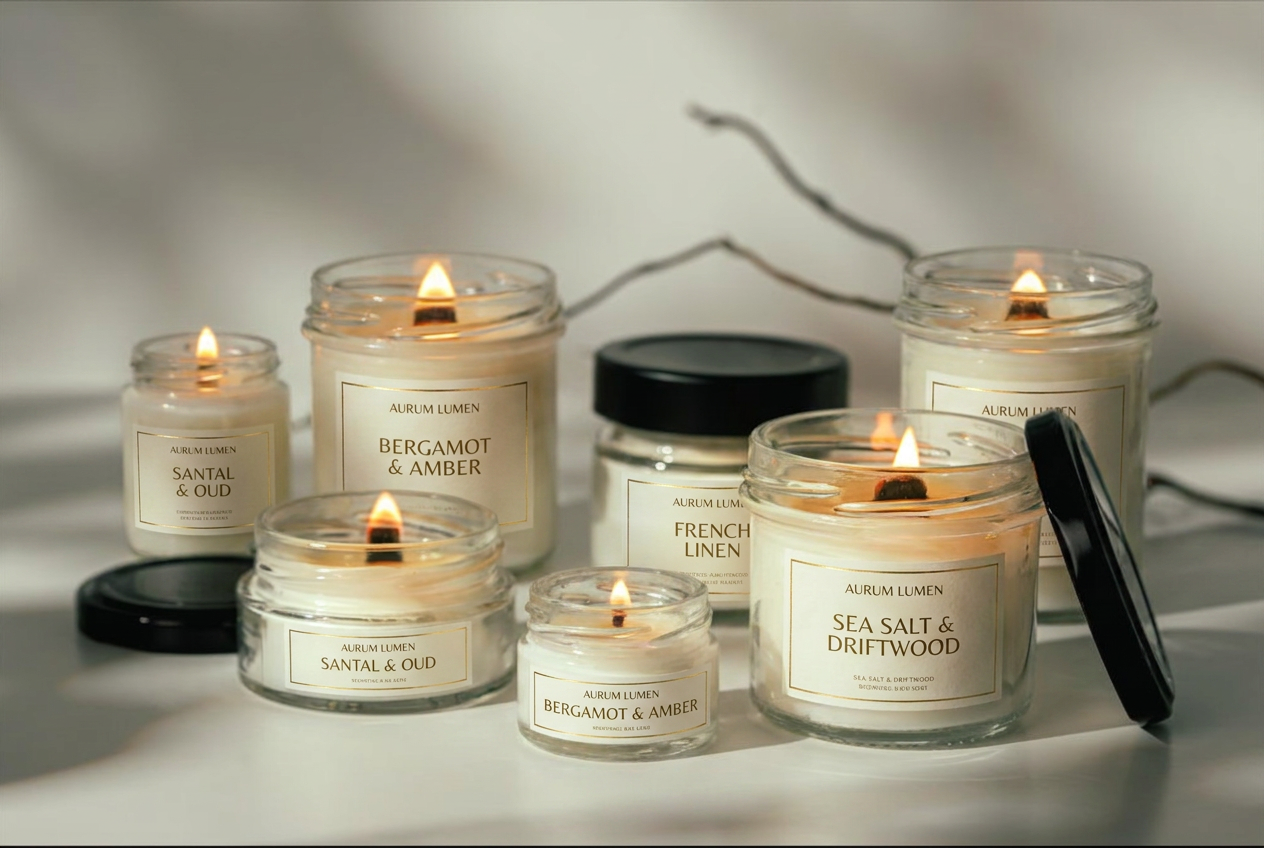
Instead of simple descriptive names, consider evocative titles such as:
- Fireside Library
- Morning Orchard
- Sweater Weather
- Golden Harvest
- Cedar Hollow
- Maple Hearth
- Autumn Cabin
- Rustic Orchard
- Amber Trail
- Woodland Market
Strong names tell a story before customers even smell the fragrance.
Test Before Committing to Large Production Runs
Even the most promising fragrance deserves proper testing. Evaluate performance across every product category you intend to sell.
Test for:
- Cold throw
- Hot throw
- Soap discoloration
- Acceleration
- Stability
- Reed diffuser performance
- Spray clarity
- Laundry compatibility
- Customer feedback
Testing reduces surprises during peak selling season and helps ensure a consistent customer experience.
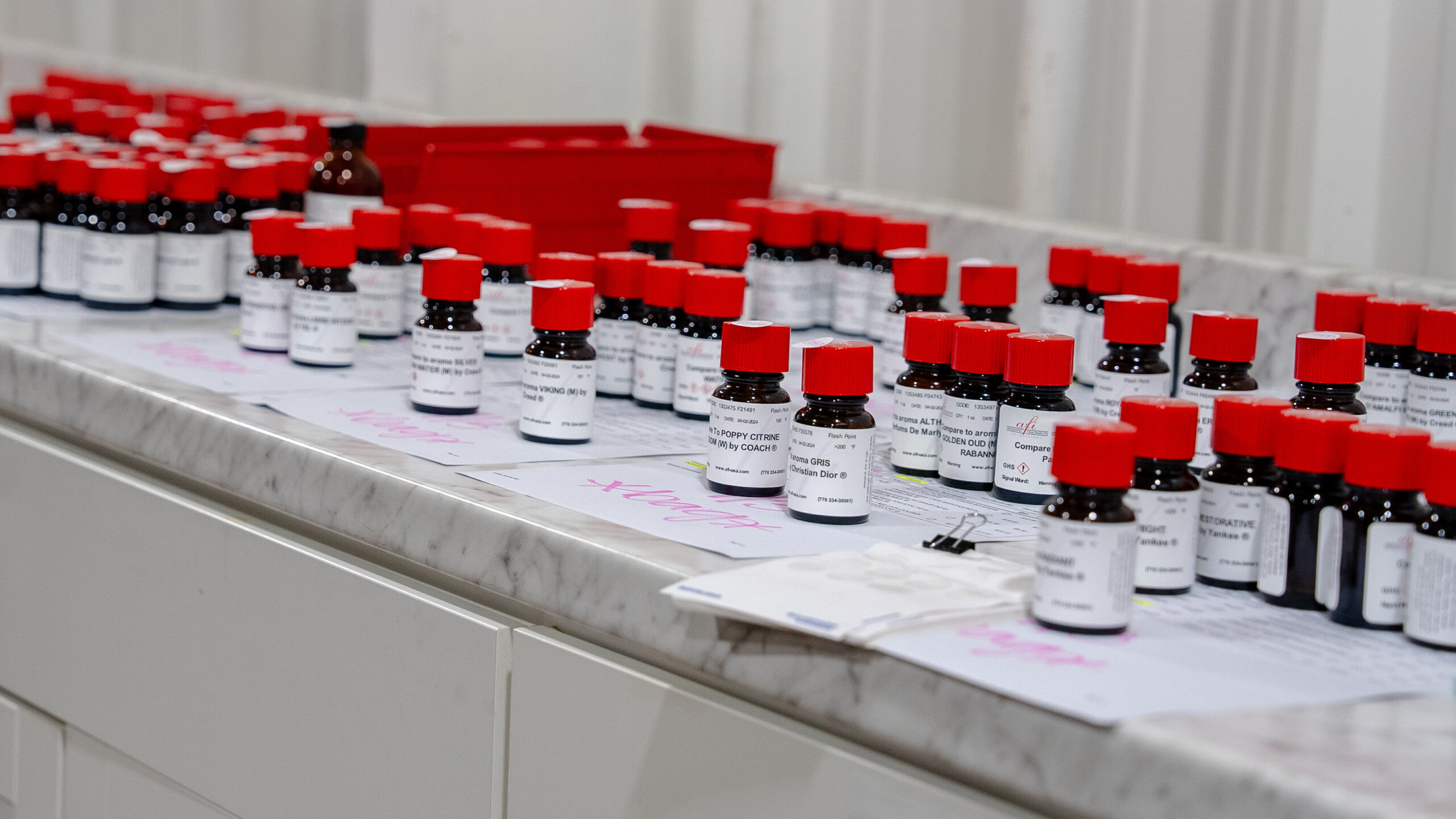
Final Thoughts
Choosing the top fall fragrance oils for your business isn’t about predicting the next viral scent—it’s about understanding your customers, recognizing timeless seasonal favorites, and thoughtfully introducing fresh ideas that complement your existing lineup.
The strongest fall collections blend dependable classics with carefully selected new fragrances inspired by nature, design, food, travel, customer feedback, and your own sales history. By using data alongside creativity, you can build a seasonal assortment that feels exciting without sacrificing the products your customers return for year after year.
Whether you’re launching your very first autumn collection or expanding an established product line, investing time in fragrance planning, testing, and storytelling will help create products that customers look forward to each fall—and come back to purchase again and again.
Still not sure where to start? Our sales team is happy to help! Contact us for free sample and guidance on which fragrances you’ll want to have in your line this upcoming season.
Frequently Asked Questions
What are the top fall fragrance oils for candles in 2026?
Popular choices include pumpkin spice, apple cider, smoked vanilla, bourbon, warm amber, cedarwood, toasted marshmallow, chai, spiced pear, maple, cashmere, and black cardamom blends. Sophisticated layered fragrances continue to gain popularity alongside traditional autumn favorites.
When should I start preparing my fall fragrance collection?
Most businesses begin selecting fragrances and testing products in late winter or spring. This provides enough time for formulation, packaging, photography, marketing, and inventory planning before fall shopping begins.
Should I replace my best-selling fall fragrances every year?
No. Consistent best sellers often become customer favorites that drive repeat business. It’s generally better to keep proven fragrances while introducing a smaller number of new seasonal scents each year.
Where can I find inspiration for new fall fragrance ideas?
Great sources include nature, farmers markets, coffee shops, boutique retailers, interior design trends, fashion color forecasts, seasonal recipes, customer feedback, and your own sales history.
How many new fragrances should I launch each fall?
A balanced approach works well for most businesses. Keep approximately 60–70% proven best sellers, 20–30% returning seasonal favorites, and introduce 10–20% new fragrances to test market demand without increasing inventory risk.
How do I know if a new fragrance will sell?
Small-batch testing, customer surveys, market events, preorder campaigns, and reviewing historical sales data can help determine whether a fragrance has long-term potential before investing in large production runs.