

Starting a candle business is one of the most accessible ways to turn creativity into a profitable brand. With relatively low startup costs, strong consumer demand, and endless opportunities for product differentiation, candles remain one of the most popular handmade products in today’s market.
However, building a successful candle business requires more than simply melting wax and adding fragrance. The brands that thrive are the ones that understand pricing, branding, product development, marketing, and customer experience from the beginning.
Whether you’re planning to launch your first collection or turn a hobby into a full-time business, this guide will walk you through the fundamentals of starting a candle business the right way.
1. Define Your Business Goals
Before purchasing supplies or designing labels, determine what type of candle business you want to build.
Ask yourself:
- Is this a hobby business or a full-time income goal?
- Will you sell locally, online, wholesale, or all three?
- Do you want a luxury brand, gift-focused brand, or everyday home fragrance brand?
- How many products do you want to launch with?
Your answers will influence everything from branding to pricing and production.
Many candle businesses fail because they start making products before creating a plan.
A business plan doesn’t need to be complicated. It simply needs to answer:
- What am I selling?
- Who am I selling to?
- Why will customers choose me?
- How will I make a profit?
2. Identify Your Target Customer
One of the biggest mistakes new candle businesses make is trying to appeal to everyone.
Instead, focus on a specific audience.
Examples include:
Luxury Home Fragrance Customers
- Premium vessels
- Sophisticated scent profiles
- Higher price points
Gift Buyers
- Seasonal collections
- Attractive packaging
- Easy-to-understand fragrances
Natural Lifestyle Consumers
- Soy wax
- Coconut wax
- Clean fragrance positioning
Specialty Niches
- Book lovers
- Gamers
- Coffee enthusiasts
- Outdoor enthusiasts
- Pet lovers
The clearer your audience, the easier it becomes to build a brand that resonates with customers.

3. Develop Your Brand Identity
Your brand is much more than a logo.
A strong candle brand includes:
Brand Name
Choose a name that is:
- Easy to remember
- Easy to spell
- Available as a website domain
- Available on social media
Brand Personality
Ask yourself:
- Elegant or playful?
- Modern or rustic?
- Minimalist or colorful?
- Luxury or approachable?
Visual Identity
Create consistency through:
- Logo
- Fonts
- Color palette
- Product photography
- Packaging
Customers should recognize your products immediately, whether they see them online, in a store, or on social media.
4. Build Your Product Line Strategically
Many new businesses launch too many products.
Instead, focus on a small collection of proven fragrances.
A great starting collection might include:
Core Collection
- Fresh scent
- Floral scent
- Fruity scent
- Masculine scent
- Warm gourmand scent
- Seasonal scent
Starting with 6–10 fragrances allows you to:
- Reduce inventory costs
- Simplify production
- Gather customer feedback
- Identify best sellers faster
You can always expand later.
5. Understand Your Startup Costs
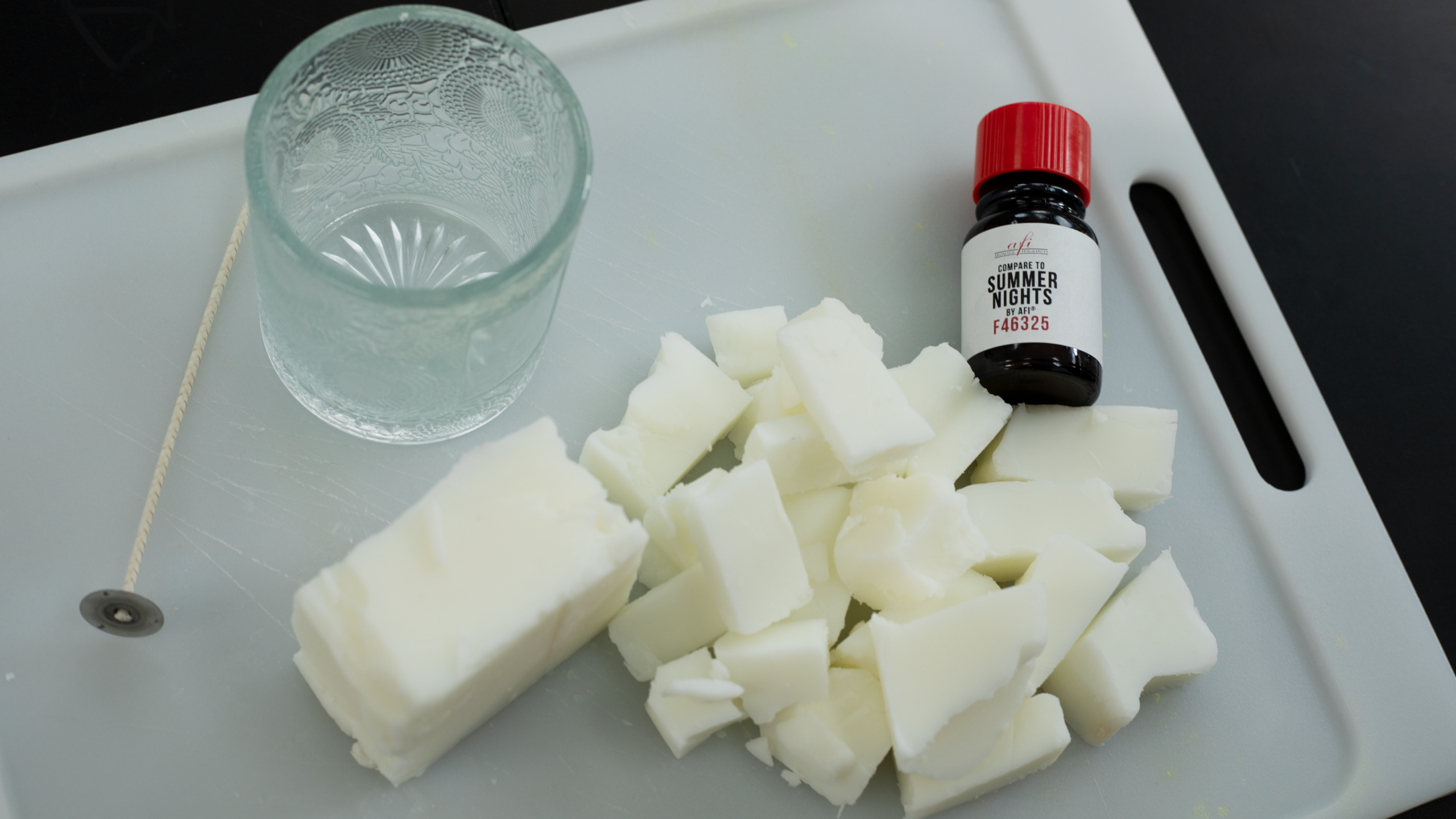
Before launching, create a realistic startup budget. Common expenses include:
Supplies
- Wax
- Fragrance oils
- Wicks
- Containers
- Labels
- Packaging
Equipment
- Wax melter
- Thermometers
- Scales
- Pouring pitchers
Business Expenses
- Website
- Domain name
- Business registration
- Insurance
- Marketing materials
Branding Expenses
- Logo design
- Product photography
- Packaging development
Knowing your costs upfront helps prevent pricing mistakes later.

6. Master Candle Pricing
Pricing is where many new businesses struggle. A common mistake is pricing based solely on material costs. Instead, your pricing should account for:
Materials
Wax, fragrance, vessel, wick, label, lid, packaging. Do not underestimate how much your candle packaging and shipping costs will impact your pricing! Many makers do not factor in just how much these costs add up and end up selling themselves short.
Labor
Your time has value.
Include:
- Production time
- Packaging time
- Labeling time
- Shipping preparation
Overhead
Expenses such as:
- Website fees
- Insurance
- Utilities
- Advertising
Profit Margin
Your business must generate profit to grow.
Simple Retail Pricing Formula
Cost of Goods × 4 = Retail Price
Example:
- Total cost to produce candle = $6.00
- $6.00 × 4 = $24.00 retail price
This provides enough margin for:
- Wholesale opportunities
- Marketing costs
- Future growth

7. Prepare for Wholesale Early
Even if you don’t plan to sell wholesale immediately, prepare your pricing accordingly.
A common wholesale structure:
- Wholesale = 50% of retail
Example:
| Retail Price | Wholesale Price |
|---|---|
| $20 | $10 |
| $24 | $12 |
| $28 | $14 |
If your pricing doesn’t support wholesale margins, scaling becomes much more difficult later.
8. Build a Professional Website
Your website acts as your storefront.
Every candle business should have:
Essential Pages
- Home Page
- Shop Page
- About Us
- Contact Page
- FAQ Page
- Shipping & Returns
- Candle Care Instructions
Helpful Resource Pages
- Fragrance Guides
- Candle Education Articles
- Frequently Asked Questions
- Seasonal Gift Guides
Educational content not only helps customers—it also helps improve SEO and attract organic traffic.
9. Create a Marketing Plan Before Launch
Many makers spend months developing products and only think about marketing at launch.
Start building awareness early.
Focus on:
Social Media
Share:
- Product development
- Behind-the-scenes content
- Pouring videos
- Fragrance inspiration
Email Marketing
Build an email list before launch.
Offer:
- Early access
- Product announcements
- Exclusive promotions
Content Marketing
Create blog content around:
- Candle care
- Fragrance education
- Gift guides
- Home fragrance trends
This helps generate long-term traffic from search engines.
10. Start Small and Improve Constantly
Your first collection doesn’t need to be perfect.
Launch.
Gather feedback.
Improve.
The most successful candle businesses focus on:
- Consistency
- Customer experience
- Product quality
- Brand development
Progress is more important than perfection.

Candle Business Startup Checklist
Business Foundation
☐ Choose a business name
☐ Register your business
- Get a Tax ID or EIN number from the federal government
- Research local business law for your state and county
☐ Purchase domain name
☐ Create social media accounts
☐ Obtain insurance
Branding
☐ Design logo
☐ Select brand colors
☐ Choose fonts
☐ Develop packaging concept
☐ Create brand messaging
Product Development
☐ Select wax
☐ Select fragrance oils
☐ Test wick combinations
☐ Test burn performance
☐ Finalize fragrance collection
☐ Create candle care instructions
Pricing
☐ Calculate production costs
☐ Establish retail pricing
☐ Establish wholesale pricing
☐ Determine profit margins
Website & Marketing
☐ Build website
☐ Create product photography
☐ Write product descriptions
☐ Create launch email campaign
☐ Develop social media content
Final Thoughts: Build a Brand, Not Just a Product
Starting a candle business is about much more than creating great-smelling candles.
The strongest brands combine quality products with thoughtful branding, smart pricing, consistent marketing, and exceptional customer experiences.
By focusing on your customer, developing a clear brand identity, and building systems that support growth, you’ll create a foundation that can evolve from a side hustle into a thriving business.
Remember: every successful candle company started with a single product, a simple idea, and the willingness to take the first step.
Learn More & Continue Growing
Looking for more resources to help build your candle business?
Explore our candle-making guides and educational resources
Learn more about fragrance selection, formulation, and product development
Browse our growing library of business-building articles that are designed specifically for makers and small brands
At AFI, we’re committed to helping makers create better products, build stronger brands, and grow successful businesses from the ground up.