
As fragrance brands grow, production requirements often become more complex. What starts as small-batch blending and fulfillment can quickly evolve into a need for larger production runs, specialized equipment, regulatory documentation, inventory management, and quality control processes.
For many businesses, toll and contract manufacturing services provide the solution.
Whether you’re developing a proprietary fragrance, launching a new product line, scaling an established business, or seeking a manufacturing partner capable of producing larger volumes, toll and contract manufacturing can help streamline operations and support long-term growth.
At Aromatic Fragrances International (AFI), we provide both toll manufacturing and contract manufacturing services for businesses across the fragrance industry. While contract manufacturing allows brands to leverage our formulation expertise and manufacturing capabilities, toll manufacturing enables customers with their own proprietary fragrance formulas to scale production using our facilities, equipment, and quality systems.
This guide explains the differences between toll and contract manufacturing, how each process works, and how businesses can determine which solution best fits their needs.
What Is Toll & Contract Manufacturing?
Toll and contract manufacturing are often discussed together because both involve outsourcing production to a specialized manufacturer. However, the two services serve different purposes.
Contract Manufacturing
Contract manufacturing occurs when a business partners with a manufacturer to produce products or fragrance formulations on its behalf.
In a contract manufacturing relationship, the manufacturer may assist with:
- Fragrance formulation
- Product development
- Production
- Quality control
- Documentation
- Inventory management
Many brands use contract manufacturing to bring products to market without investing in their own manufacturing facilities.
Toll Manufacturing
Toll manufacturing differs because the customer owns the formulation or intellectual property.
In a toll manufacturing arrangement, the customer provides:
- Proprietary fragrance formulas
- Ingredient specifications
- Manufacturing instructions
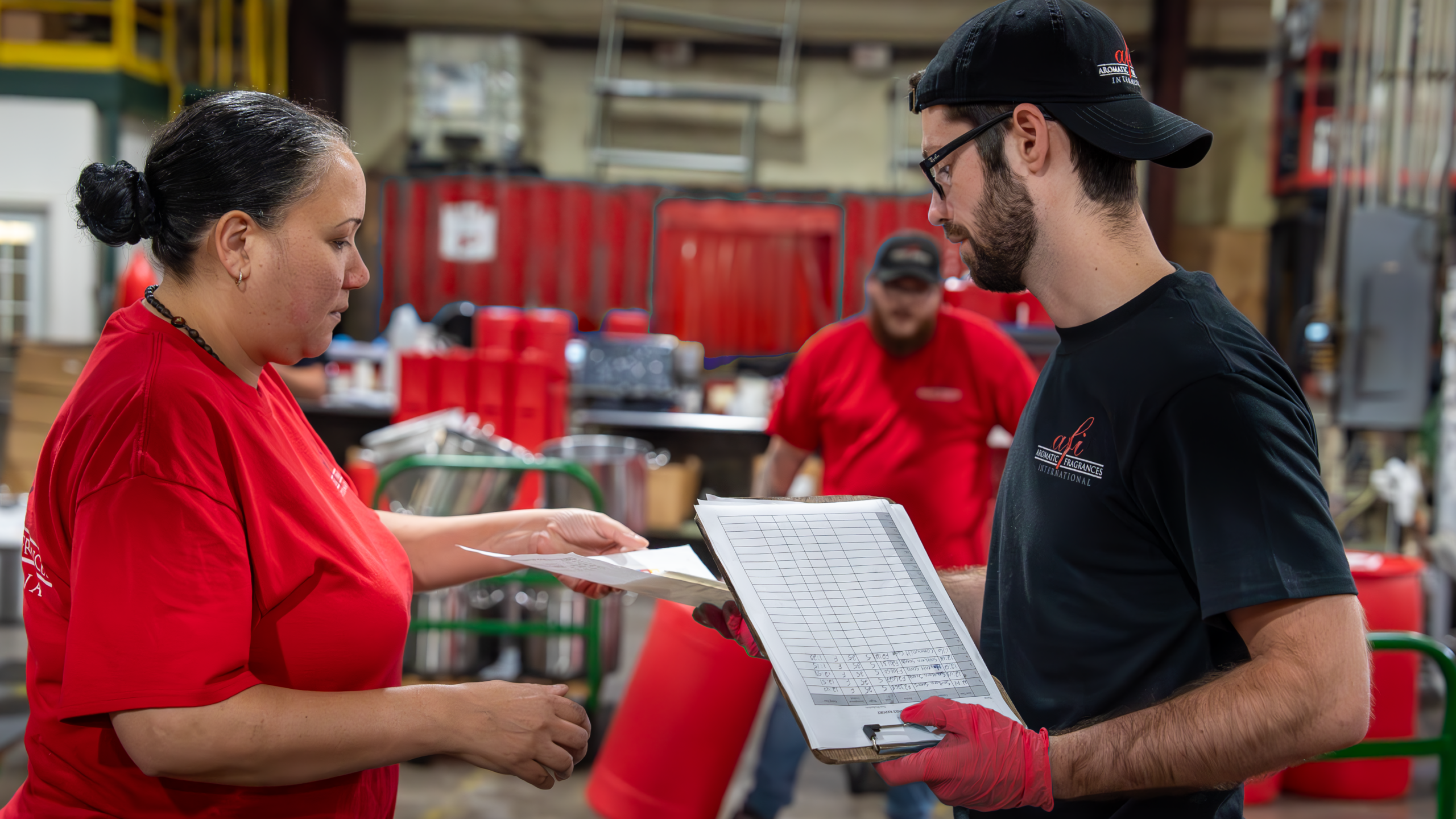
The manufacturer then produces the product according to those specifications using its facilities and equipment.
Toll manufacturing allows businesses to scale production while maintaining ownership of their formulas.
Understanding the Difference Between Toll & Contract Manufacturing
The primary distinction comes down to who owns the formulation.
| Contract Manufacturing | Toll Manufacturing |
|---|---|
| Manufacturer may develop the formula | Customer provides the formula |
| Manufacturer assists with product development | Customer owns the intellectual property |
| Ideal for brands seeking formulation support | Ideal for brands with existing formulations |
| Full-service manufacturing solution | Production-focused manufacturing solution |
| Often includes fragrance development | Focuses on scaling existing products |
Both models offer significant advantages depending on a company’s goals and resources.
Why Businesses Use Toll & Contract Manufacturing Services
Outsourcing manufacturing has become increasingly common across the fragrance industry.
Faster Growth
Building an internal manufacturing facility requires significant investment.
Businesses often face costs related to:
- Equipment
- Staffing
- Warehousing
- Compliance systems
- Quality assurance
Toll and contract manufacturing allow brands to grow without making those large capital investments.
Increased Production Capacity
As demand grows, existing production capabilities may become insufficient.
Manufacturing partners can help businesses:
- Increase output
- Improve efficiency
- Meet seasonal demand
- Support wholesale growth
Access to Specialized Equipment
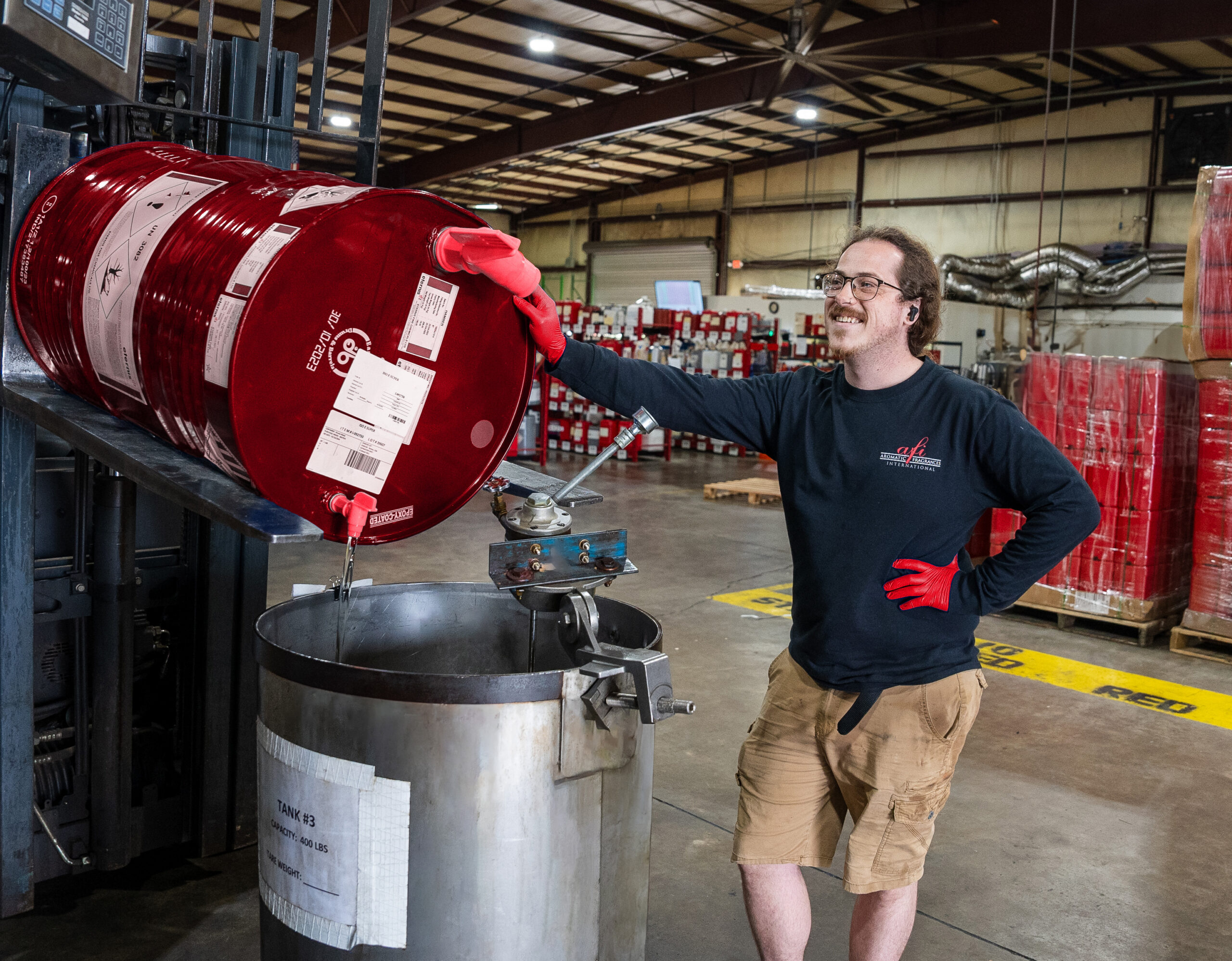
Fragrance manufacturing requires specialized production systems that may not be practical for every company to purchase independently.
Working with an experienced manufacturer provides access to:
- Large-scale blending equipment
- Precision batching systems
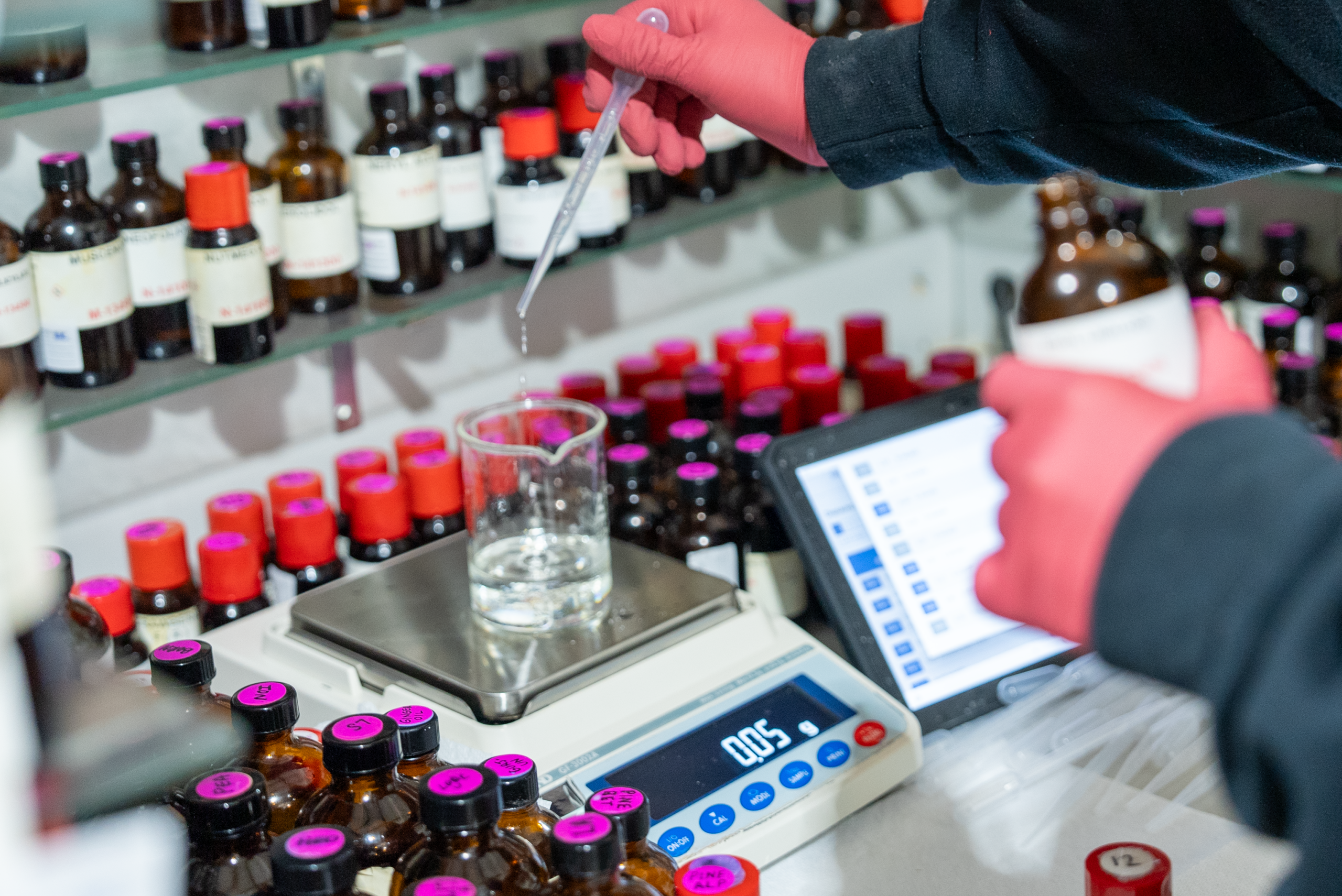
- Quality control laboratories
- Packaging and filling capabilities
Reduced Operational Complexity
Outsourcing production enables businesses to focus on:
- Marketing
- Product development
- Customer acquisition
- Distribution
- Brand growth
Instead of managing manufacturing operations, companies can concentrate on scaling their business.
Contract Manufacturing for Fragrance Brands
Contract manufacturing is often the ideal solution for businesses seeking a comprehensive production partner.
Product Development Support
Many fragrance brands begin with a concept rather than a finished formula.
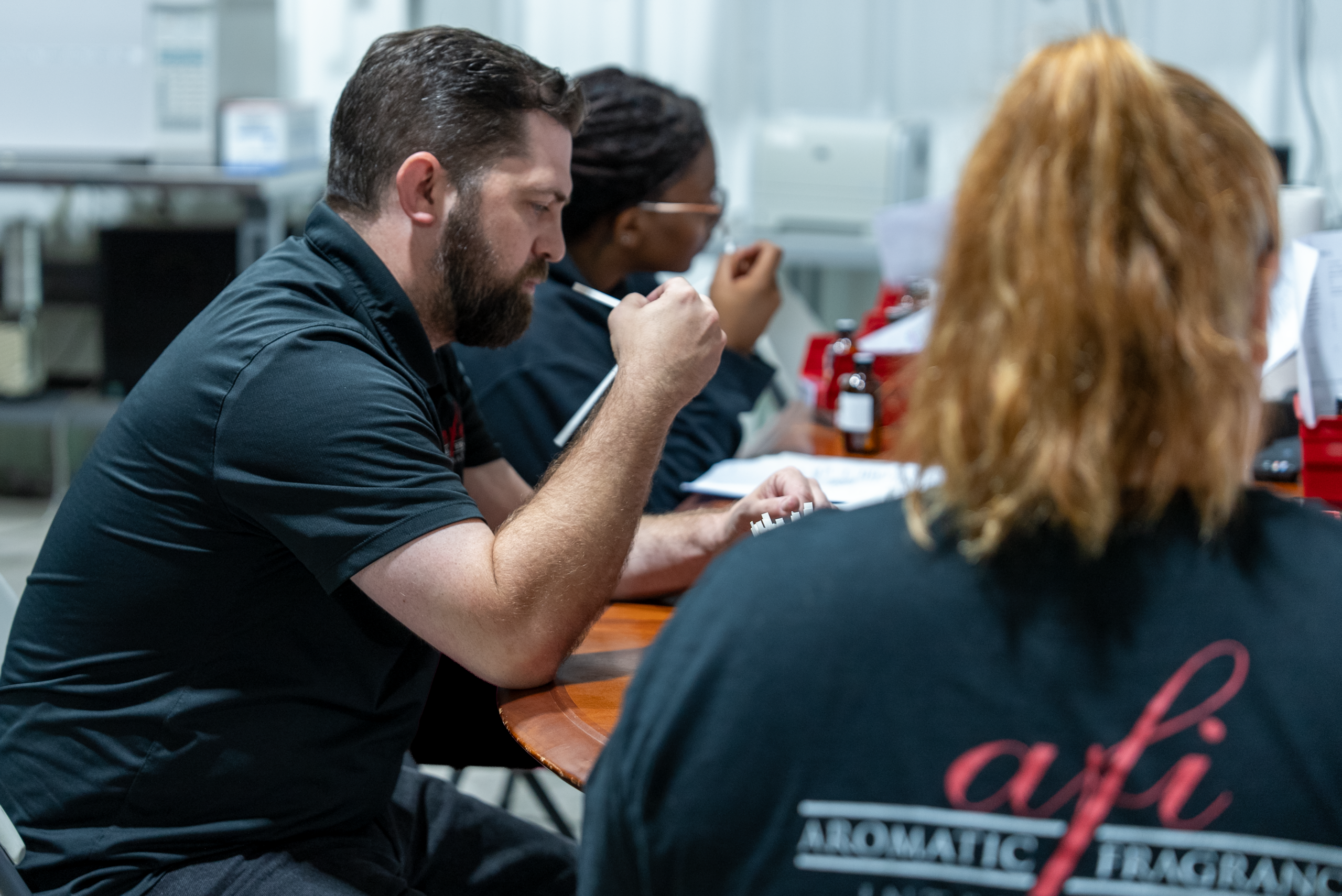
Contract manufacturing services may include:
- Fragrance development
- Fragrance duplication
- Formula optimization
- Application testing
This support can significantly accelerate product development timelines.
Custom Fragrance Manufacturing
Contract manufacturing frequently works alongside custom fragrance development services.
Businesses can create:
- Signature scents
- Private label products
- Exclusive fragrance collections
- Proprietary fragrance portfolios
Production and Commercialization
Once development is complete, production can begin.
Contract manufacturers often provide:
- Batch production
- Quality assurance
- Documentation
- Inventory planning
This creates a streamlined path from concept to commercialization.
Toll Manufacturing for Proprietary Fragrance Formulas
Toll manufacturing is particularly valuable for businesses that already possess established formulations.
Scale Existing Formulas
Many companies develop fragrances internally or work with independent perfumers to create proprietary formulas.
As demand grows, manufacturing becomes increasingly challenging.
Toll manufacturing allows businesses to:
- Maintain ownership of their formulas
- Increase production volume
- Access commercial-scale equipment
- Improve production efficiency
Protect Intellectual Property
One of the primary benefits of toll manufacturing is maintaining control over proprietary formulations.
Customers retain ownership of:
- Formulas
- Ingredient specifications
- Product concepts
- Intellectual property
This makes toll manufacturing attractive for businesses with unique fragrance assets.
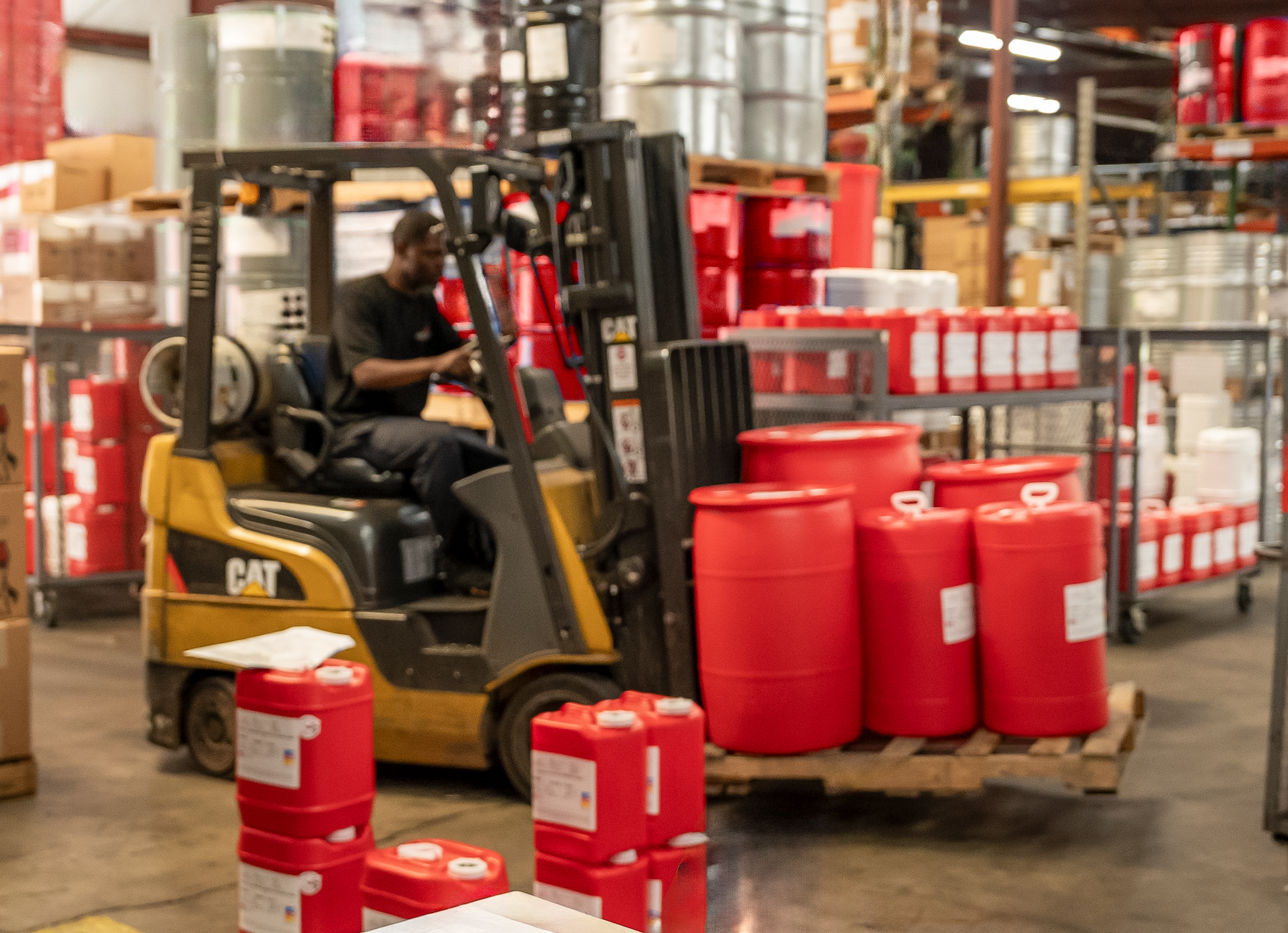
Consistent Batch Production
Producing larger batches requires careful attention to consistency.
Professional toll manufacturing facilities implement:
- Standardized production procedures
- Batch controls
- Quality testing
- Documentation systems
These measures help ensure consistent results from batch to batch.

Industries That Benefit From Toll & Contract Manufacturing
Toll and contract manufacturing services support a wide range of industries.
Candle Manufacturers
Manufacturing partners can assist with:
- Fragrance blending
- Large-scale production
- Inventory management
- Product expansion
Home Fragrance Brands
Products include:
- Reed diffusers
- Room sprays
- Air fresheners
- Linen sprays
Personal Care Companies
Many personal care products rely on specialized fragrance manufacturing.
Applications include:
- Lotions
- Body oils
- Soaps
- Hair care products
- Perfume products
Private Label Brands
Private label businesses often use contract manufacturing to launch products quickly without investing in production infrastructure.
Quality Control in Toll & Contract Manufacturing
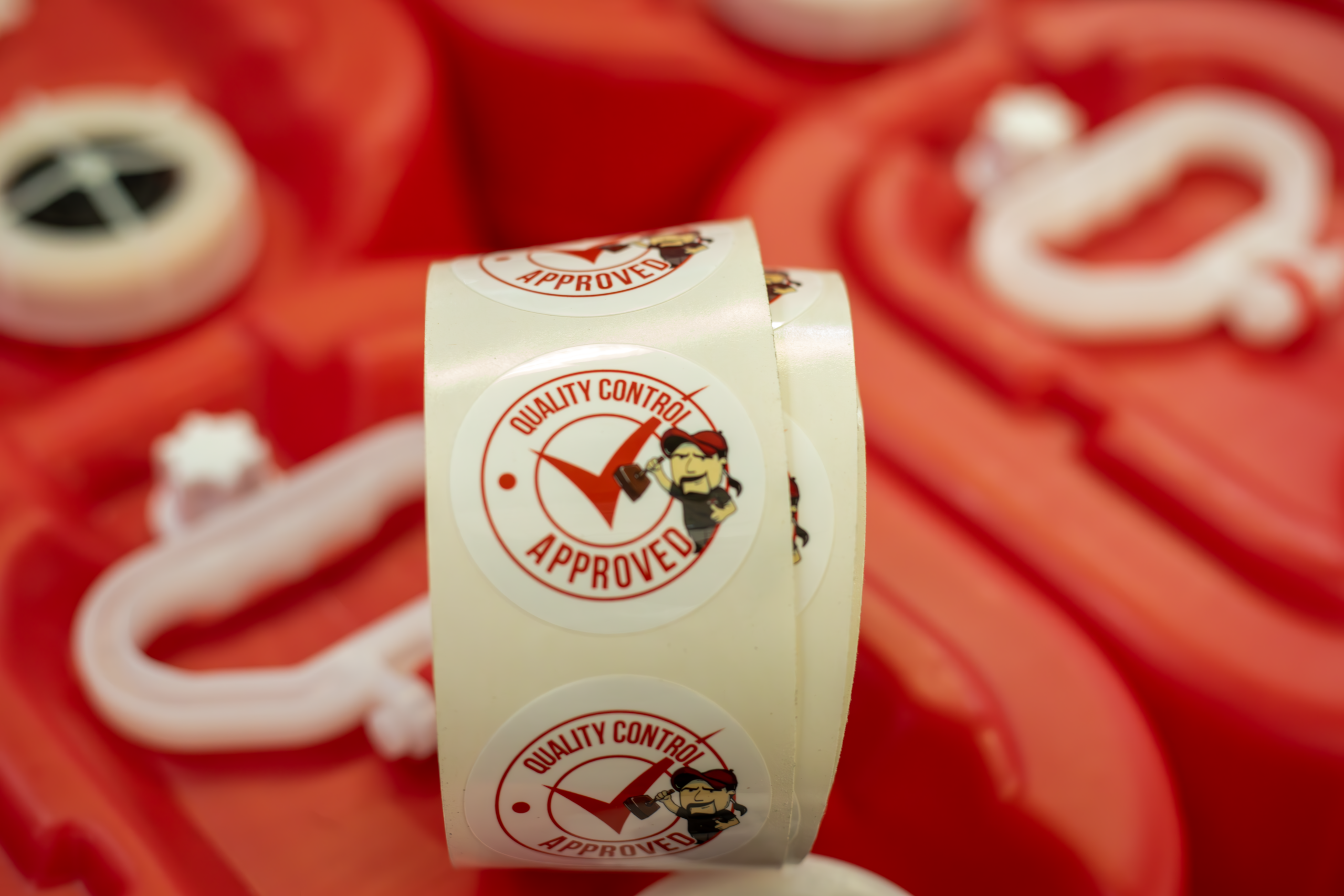
Quality control is one of the most important aspects of fragrance production.
Professional manufacturers typically implement procedures designed to verify:
Raw Material Quality
Incoming ingredients are often evaluated for:
- Accuracy
- Purity
- Consistency
Batch Consistency
Production processes are designed to maintain uniformity between manufacturing runs.
Documentation and Traceability
Comprehensive documentation helps support:
- Regulatory compliance
- Inventory tracking
- Product quality management
Performance Verification
Testing may include evaluations related to:
- Fragrance strength
- Stability
- Appearance
- Application performance
Documentation and Regulatory Support
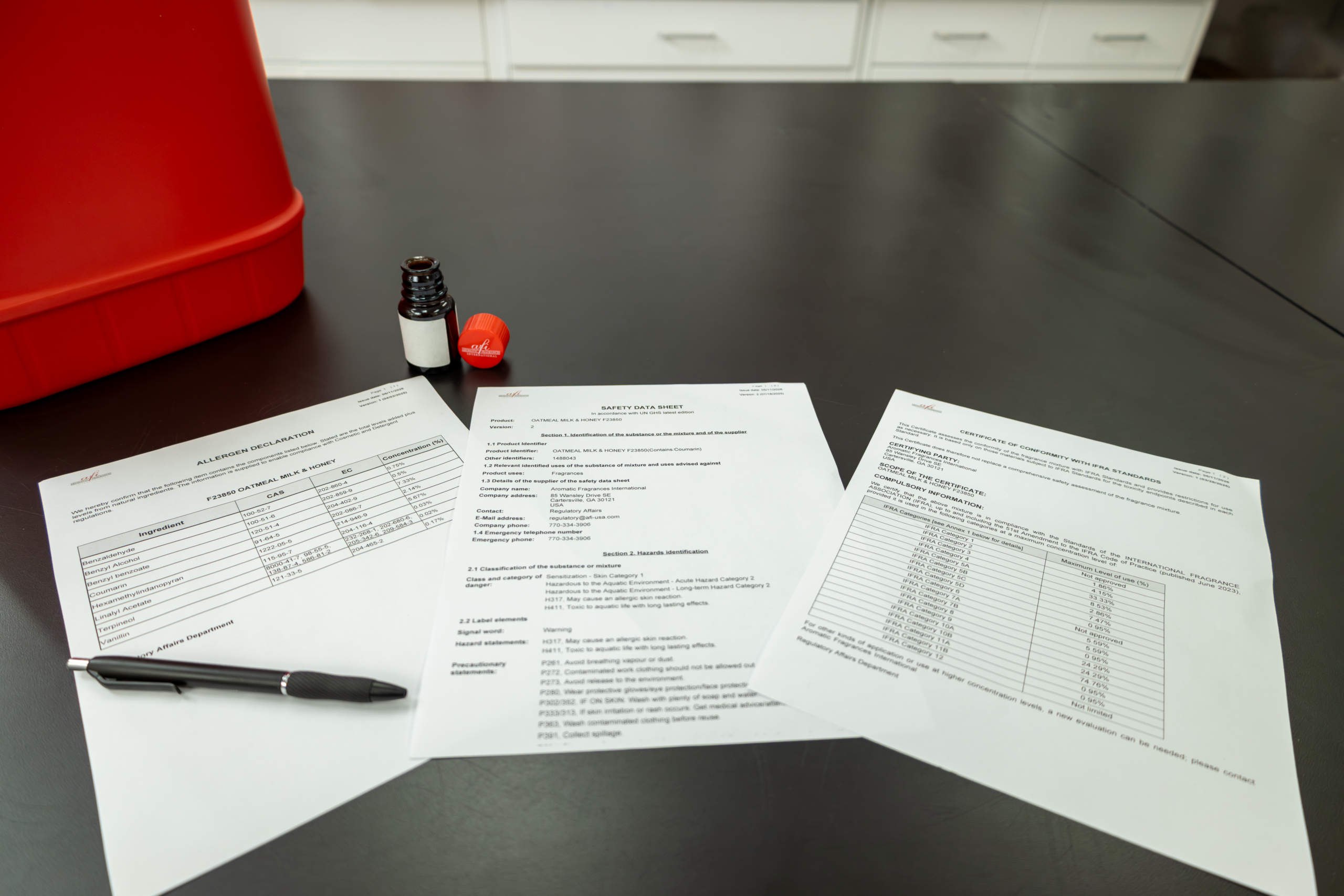
Professional toll and contract manufacturing partners typically provide important documentation that supports product development and compliance.
IFRA Certificates
IFRA standards provide guidance for fragrance usage in various product categories.
Safety Data Sheets (SDS)
SDS documentation supports:
- Safe handling
- Transportation
- Storage
EU Allergen Declarations
These documents help businesses understand allergen disclosure requirements where applicable.
Product Specifications
Detailed specifications help maintain consistency across production runs.
How to Choose a Toll & Contract Manufacturing Partner
Selecting the right manufacturing partner can have a significant impact on product quality and business growth.
Consider evaluating:
Manufacturing Experience
Look for a company with experience producing fragrance products at commercial scale.
Production Capabilities
Determine whether the manufacturer can support:
- Current demand
- Future growth
- Multiple product categories
Quality Systems
Strong quality systems help ensure consistent results and reliable production.
Communication and Support
A successful manufacturing relationship depends on clear communication and responsiveness.
Scalability
Choose a partner capable of growing alongside your business.
Questions to Ask Before Starting a Manufacturing Partnership
Before selecting a toll or contract manufacturer, consider asking:
- What are your minimum batch sizes?
- Can you support proprietary formulas?
- What documentation do you provide?
- What quality control procedures are in place?
- Can production scale as demand increases?
- What industries do you currently serve?
- Do you offer fragrance development services?
- What are typical production lead times?
These questions can help identify the right manufacturing partner for your needs.
Why Toll and Contract Manufacturing Continue to Grow
As businesses seek greater flexibility and efficiency, toll and contract manufacturing have become increasingly important within the fragrance industry.
These manufacturing models allow brands to:
- Reduce overhead costs
- Increase production capacity
- Accelerate growth
- Improve operational efficiency
- Focus on core business activities
For both emerging brands and established companies, outsourcing production can provide a practical path to sustainable growth.
Partner With Aromatic Fragrances International for Toll and Contract Manufacturing
At Aromatic Fragrances International, we provide comprehensive toll and contract manufacturing services designed to support businesses at every stage of growth.
Whether you need a partner to develop and manufacture a custom fragrance or you already own a proprietary fragrance formula and require larger-scale production, our team has the expertise, equipment, and quality systems to help bring your products to market efficiently and consistently.
Our toll manufacturing services allow customers to maintain ownership of their formulations while leveraging our production capabilities to scale output. For businesses seeking a full-service solution, our contract manufacturing services provide support from fragrance development and testing through production and commercialization.
To learn more about our toll and contract manufacturing capabilities, learn about Our Facility or contact our team through our Contact Page to discuss your project and production requirements.
Frequently Asked Questions
What is toll manufacturing?
Toll manufacturing is a production arrangement in which a customer provides its own proprietary formula and a manufacturer produces the product according to the customer’s specifications.
What is contract manufacturing?
Contract manufacturing involves a manufacturer producing products on behalf of a customer and may include formulation development, production, quality control, and documentation services.
What is the difference between toll and contract manufacturing?
The primary difference is ownership of the formula. In toll manufacturing, the customer owns the formulation. In contract manufacturing, the manufacturer may assist with or develop the formulation.
Can I use toll manufacturing if I already have my own fragrance formula?
Yes. Toll manufacturing is specifically designed for businesses that already own their fragrance formulations and need larger-scale production capabilities.
What types of products can be produced through toll and contract manufacturing?
Services can support candles, fragrance oils, room sprays, reed diffusers, personal care products, air fresheners, perfumes, and many other fragrance-based products.
Is my proprietary formula protected during toll manufacturing?
Professional toll manufacturers typically implement confidentiality procedures designed to protect customer intellectual property and proprietary formulations.
What documentation is available through toll and contract manufacturing?
Most manufacturers provide IFRA Certificates, Safety Data Sheets (SDS), EU Allergen Declarations, and product specifications when applicable.
How can toll and contract manufacturing help my business grow?
These services help businesses increase production capacity, reduce operational costs, access specialized equipment, improve consistency, and focus on marketing and growth initiatives.