
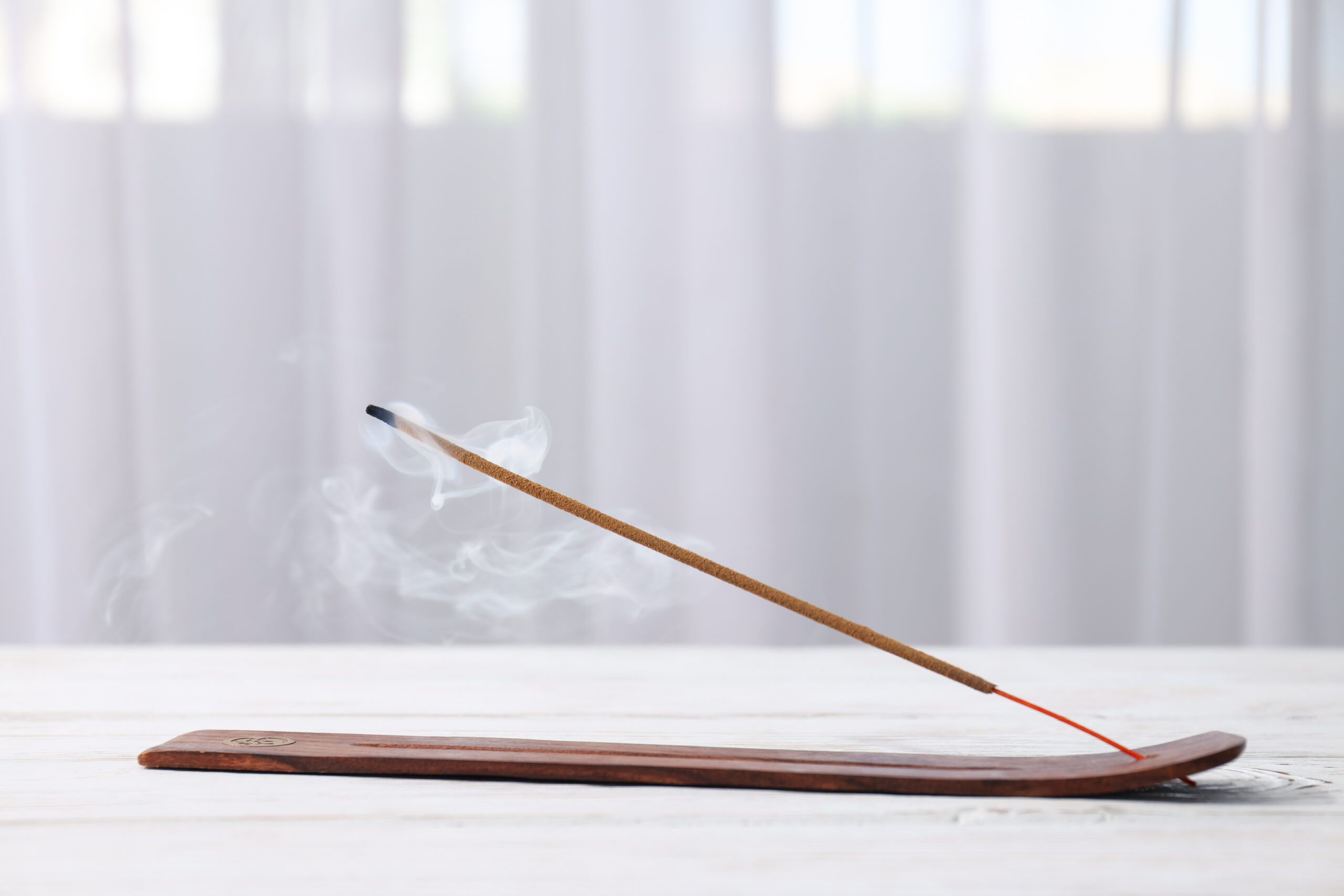
Incense has been used for thousands of years as a way to fragrance spaces, support spiritual practices, mask odors, and create relaxing environments. While modern incense comes in many forms—including sticks, cones, coils, and powders—the fragrances used in incense often reflect centuries of cultural traditions and evolving consumer preferences.
Today, incense fragrances range from ancient resins and woods to fruity gourmands, aquatic blends, florals, and innovative fragrance creations that would have been unimaginable centuries ago.
Whether you’re creating an incense line, developing private label products, or exploring new fragrance ideas, understanding the history and evolution of incense fragrances can help you select scents that resonate with your target audience.
In this guide, we’ll explore traditional incense scents, modern fragrance trends, consumer preferences, and important formulation considerations when selecting fragrances for incense products.
The History of Incense Fragrances
Long before modern fragrance oils existed, incense was scented using locally available natural materials.
The ingredients used often reflected the culture, geography, and spiritual traditions of the people creating them.
These materials provided the characteristic aromas that many people still associate with incense today.
Traditional Chinese Incense
Ancient Chinese incense frequently incorporated ingredients such as:
- Sandalwood
- Cassia
- Cinnamon
- Herbs
- Botanical materials
These aromatic materials were valued for both their fragrance and cultural significance.
Indigenous North American Traditions
Many Native American communities traditionally used aromatic plants such as:
- Sage
- Cedar
- Sweetgrass
- Juniper
These botanicals played important roles in ceremonial and spiritual practices.
Middle Eastern and South Asian Influences
Throughout the Middle East and parts of Asia, fragrant resins and woods became foundational incense ingredients.
Examples include:
- Frankincense
- Myrrh
- Agarwood
- Oudh
- Galbanum
These materials remain some of the most recognizable incense fragrances in the world.
Why Traditional Incense Fragrances Remain Popular
Even with today’s nearly limitless fragrance options, traditional incense scents continue to dominate many markets.
Consumers often associate these fragrances with:
- Meditation
- Spirituality
- Relaxation
- Ritual practices
- Cultural traditions
- Luxury
Many classic incense scents also possess rich, complex fragrance profiles that perform exceptionally well during burning.
Traditional incense fragrances often create:
- Warmth
- Depth
- Earthiness
- Resinous character
- Long-lasting aroma
These qualities continue to attract both longtime incense users and new consumers alike.
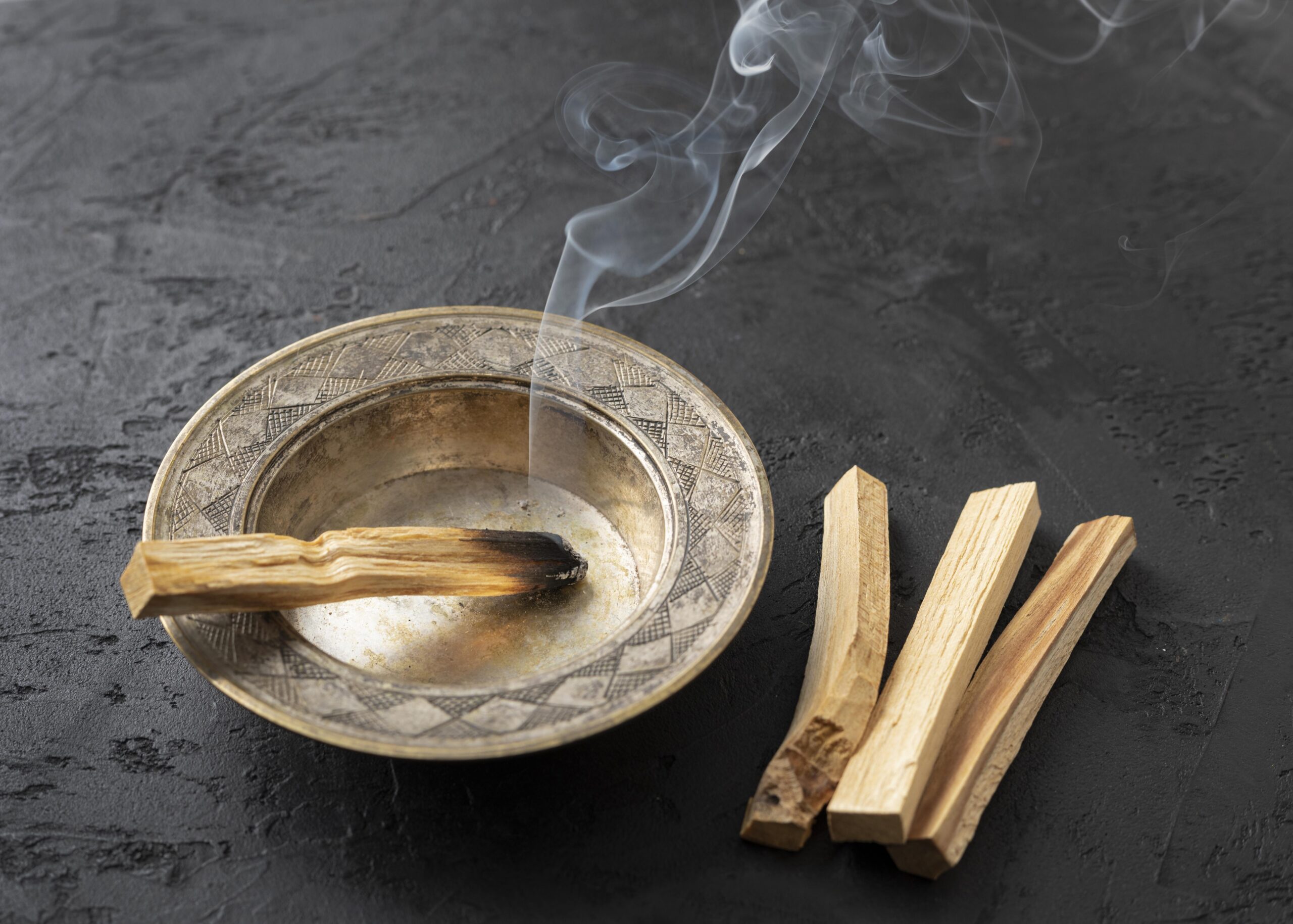
Most Popular Traditional Incense Fragrances
If you’re developing an incense collection, including at least a few traditional scents can help attract a broad customer base.
Some of the most popular traditional incense fragrances include:
Woods and Resins
- Sandalwood
- Agarwood
- Oudh
- Frankincense
- Myrrh
- Dragon’s Blood
- Galbanum
Botanicals and Floral Notes
- Patchouli
- Rose
- Jasmine
- Lavender
Cultural Classics
- Nag Champa
- Temple-inspired blends
- Resinous incense accords
These fragrances continue to be among the most recognizable and sought-after incense aromas worldwide.
The Rise of Modern Incense Fragrances
While traditional scents remain important, consumer preferences have expanded dramatically in recent decades.
Today’s incense users often view incense as an alternative home fragrance product alongside:
- Candles
- Reed diffusers
- Room sprays
- Cold air diffusers
- Wax melts
As a result, many consumers seek fragrance profiles that align with contemporary home fragrance trends.
Modern fragrance technology allows incense manufacturers to create virtually any scent imaginable.
Floral Fragrances for Incense
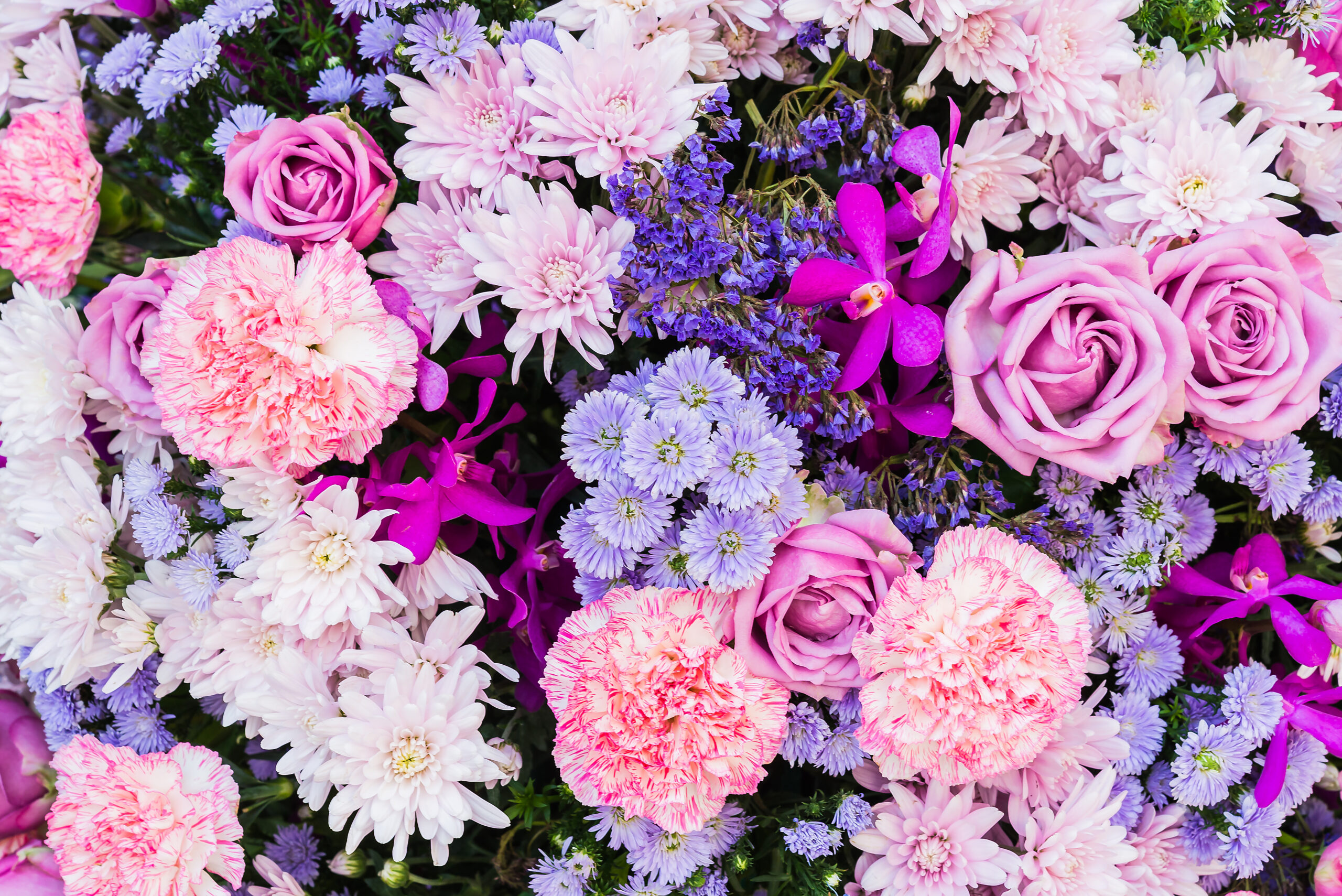
Floral fragrances remain a popular bridge between traditional and modern incense.
Popular floral incense scents include:
- Rose
- Lavender
- Jasmine
- Ylang Ylang
- Gardenia
- Orange Blossom
These fragrances can create relaxing and elegant aromatic experiences.
Many consumers associate floral incense with:
- Calmness
- Self-care
- Wellness
- Aromatherapy-inspired environments
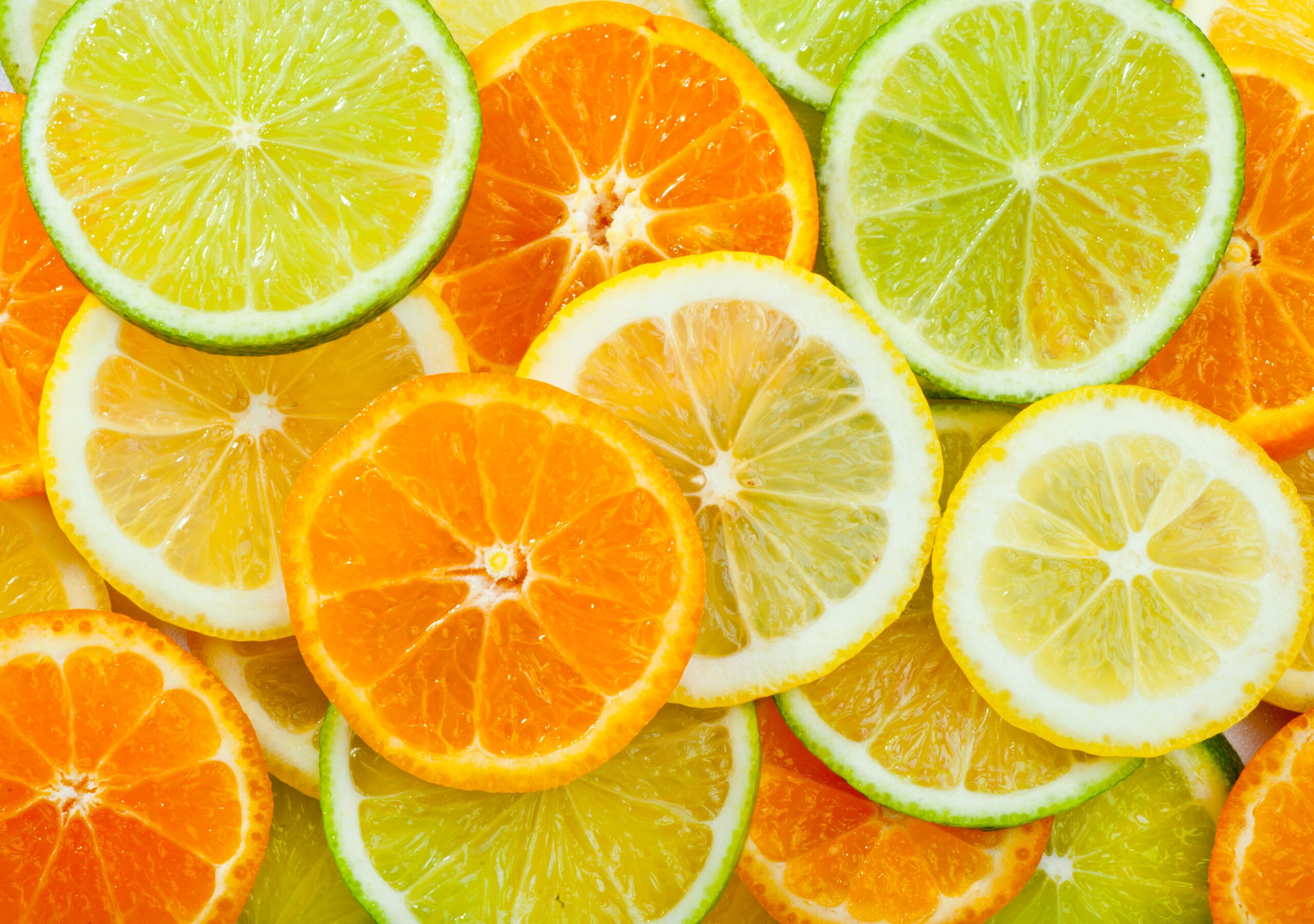
Citrus Fragrances for Incense
Citrus fragrances bring brightness and freshness to incense products.
Popular options include:
- Orange
- Lemon
- Lime
- Grapefruit
- Bergamot
- Mandarin
These fragrances often appeal to consumers looking for clean, uplifting scents.
Historically, certain citrus oils have also been used in products intended to help mask odors and create a fresh-smelling environment.

Aquatic and Fresh Incense Fragrances
One of the fastest-growing categories in home fragrance is fresh and aquatic scents.
Examples include:
- Fresh Rain
- Ocean Breeze
- Linen
- Clean Cotton
- Water Lily
- Sea Salt
These fragrances appeal to consumers who enjoy modern, clean-smelling environments.
Fresh incense fragrances can be particularly attractive to younger consumers who may not gravitate toward traditional resinous scents.

Fruit Fragrances for Incense
Fruit fragrances provide endless opportunities for creativity.
Popular fruit-inspired incense fragrances include:
Berry Scents
- Strawberry
- Raspberry
- Blackberry
- Blueberry
Orchard Fruits
- Apple
- Pear
- Peach
Tropical Fruits
- Pineapple
- Mango
- Coconut
- Passionfruit
Fruit fragrances often attract consumers seeking playful and contemporary scent experiences.

Gourmand Incense Fragrances
Gourmand fragrances have become increasingly popular across nearly every fragrance category.
These scents replicate edible aromas and dessert-inspired accords.
Popular gourmand incense fragrances include:
- Vanilla
- Brown Sugar
- Cotton Candy
- Birthday Cake
- Caramel
- Marshmallow
- Maple
- Coffee
These fragrances create warm, comforting environments and appeal to consumers who enjoy rich scent experiences.
Understanding Your Target Customer
When selecting incense fragrances, one of the most important considerations is your intended audience.
Different customers seek different experiences from incense.
Traditional Incense Consumers
Customers interested in spirituality, meditation, or cultural traditions often gravitate toward:
- Sandalwood
- Frankincense
- Myrrh
- Nag Champa
- Oudh
These scents communicate heritage and authenticity.
Modern Home Fragrance Consumers
Consumers focused on home scenting may prefer:
- Fresh fragrances
- Florals
- Fruits
- Gourmands
- Aquatics
These customers often view incense as an alternative to candles and diffusers.
Niche Fragrance Enthusiasts
Some consumers actively seek unique scent experiences unavailable elsewhere.
These customers may appreciate:
- Experimental fragrance blends
- Seasonal collections
- Limited editions
- Proprietary fragrance creations
Understanding your audience helps guide fragrance selection and product development.
Conducting Market Research for Incense Fragrances
Market research can help identify opportunities within the incense category.
Consider exploring:
- Social media trends
- Incense retailer websites
- Customer reviews
- Online fragrance communities
- Industry trade shows
Pay attention to:
- Best-selling scents
- Emerging trends
- Consumer complaints
- Gaps in existing product offerings
These insights can help you develop a more competitive incense collection.
Choosing Fragrance Oils for Incense Manufacturing
Not every fragrance oil is suitable for incense.
Because incense products burn and produce smoke, fragrance selection requires additional consideration.
Why Incense-Safe Fragrances Matter
Poorly formulated fragrance oils may contribute to:
- Excessive smoke
- Increased soot production
- Harsh burning characteristics
- Unpleasant performance
When developing incense products, it’s important to use fragrance oils designed and approved for incense applications.
These fragrances are often formulated with carefully selected raw materials that support cleaner burning and improved performance.
Quality Control for Incense Products
Regardless of the fragrance selected, quality testing should be part of every production process.
Testing allows manufacturers to evaluate:
- Fragrance strength
- Burn consistency
- Smoke characteristics
- Consumer experience
Many successful incense manufacturers routinely test samples from each production batch to maintain consistency and quality.
A well-performing incense product should provide:
- Steady burning
- Consistent fragrance release
- Minimal soot
- Pleasant aroma throughout use
Create Better Incense Products with the Right Fragrances
Fragrance selection plays a critical role in the success of any incense product. Whether you’re inspired by centuries-old traditions or modern home fragrance trends, choosing the right incense fragrances helps create memorable experiences for your customers.
From classic scents like sandalwood, frankincense, and dragon’s blood to modern favorites like fresh rain, tropical fruits, and gourmand blends, today’s incense market offers opportunities for every type of consumer.
At Aromatic Fragrances International, we offer a wide selection of fragrance oils suitable for incense applications, including traditional incense profiles, contemporary fragrance trends, and custom fragrance development services. Our team can help you select fragrances that not only smell incredible but also perform reliably in incense sticks, cones, coils, and other incense products.
Shop our Incense Fragrances, or contact our team through our Contact Page to discuss your incense fragrance needs.
Frequently Asked Questions
What are the best fragrances for incense?
Popular incense fragrances include sandalwood, frankincense, myrrh, nag champa, patchouli, dragon’s blood, lavender, jasmine, and fresh rain fragrances.
What is the most popular incense scent?
Sandalwood and nag champa are among the most widely recognized and popular incense fragrances worldwide.
Can incense be scented with modern fragrance oils?
Yes. Modern fragrance technology allows incense manufacturers to create virtually any fragrance profile, including florals, fruits, gourmands, and aquatic scents.
Are all fragrance oils safe for incense?
No. Incense products require fragrance oils formulated and approved for burning applications to help ensure proper performance and reduce excessive soot.
What fragrances are commonly used in traditional incense?
Traditional incense often features sandalwood, frankincense, myrrh, agarwood, oudh, patchouli, dragon’s blood, and various botanical ingredients.
Why are sandalwood and frankincense popular in incense?
These materials have deep historical, cultural, and spiritual significance and produce rich, long-lasting aromas that perform well during burning.
What incense fragrances appeal to younger consumers?
Fresh, aquatic, fruity, gourmand, and clean fragrances often appeal to consumers looking for modern alternatives to traditional incense scents.
How do I choose fragrances for an incense line?
Consider your target audience, market trends, cultural influences, fragrance performance, and whether the fragrance oil is suitable for incense applications.