
One of the most common questions fragrance manufacturers receive is:
Do fragrance oils expire?
The answer is a little more complicated than a simple yes or no.
Unlike food products, fragrance oils do not spoil in the traditional sense. They won’t grow mold, develop bacteria, or become contaminated the way water-based products can. However, fragrance oils do change over time, and understanding how and why those changes occur can help you maximize their lifespan, maintain product quality, and avoid costly waste.
Whether you’re making candles, soaps, room sprays, reed diffusers, bath products, or personal care items, proper fragrance oil storage is essential for preserving scent quality and ensuring consistent product performance.
In this guide, we’ll explain how fragrance oils age, what causes fragrance degradation, how to store fragrance oils correctly, and how to determine when a fragrance may no longer be suitable for use.
Do Fragrance Oils Expire?
Technically speaking, fragrance oils do not expire in the same way that food, cosmetics, or natural materials do.
The reason comes down to chemistry.
Fragrance oils are primarily composed of non-polar compounds. Unlike water-based products, they contain little to no water content capable of supporting microbial growth.
Because water is necessary for the development of:
- Mold
- Bacteria
- Fungus
- Yeast
fragrance oils generally cannot support these organisms on their own.
This means a bottle of fragrance oil can sit on a shelf for many years without developing mold or becoming biologically contaminated.
However, that doesn’t mean the fragrance remains unchanged forever.
Why Fragrance Oils Change Over Time
Although fragrance oils don’t spoil like food, they are still composed of chemical compounds that react with their environment.
Over time, exposure to:
- Oxygen
- Heat
- Sunlight
- UV radiation
- Temperature fluctuations
can gradually alter the fragrance’s composition.
This process is known as oxidation.
What Is Fragrance Oil Oxidation?
Oxidation is a chemical reaction that occurs when fragrance molecules interact with oxygen in the atmosphere.
During oxidation:
- Molecular structures begin to change.
- Certain fragrance notes may weaken.
- Color can darken.
- The overall scent profile may shift.
While oxidation is a natural process, improper storage can dramatically accelerate it.
For fragrance manufacturers and product makers, oxidation is often the primary reason a fragrance oil no longer performs as expected.
Does Oxidation Mean a Fragrance Has Gone Bad?
Not necessarily.
Oxidation does not automatically make a fragrance unusable.
In many cases, the changes are gradual and may not immediately affect finished products.
However, as oxidation progresses, you may begin to notice:
- Changes in color
- Reduced scent strength
- Altered fragrance character
- Off-notes
- Performance inconsistencies
A fragrance that once smelled bright and fresh may eventually smell:
- Flat
- Dull
- Waxy
- Metallic
- Slightly different than intended
The extent of these changes depends on the fragrance composition and storage conditions.
Why Fragrance Oils Behave Differently Than Cooking Oils
Many people compare fragrance oils to cooking oils when discussing shelf life.
While there are similarities, fragrance oils behave quite differently.
Vegetable oils and carrier oils contain fatty acids that eventually become rancid.
Rancidity often produces odors described as:
- Sour
- Stale
- Crayon-like
- Paint-like
Fragrance oils generally do not become rancid in the same way.
Instead, they undergo oxidation that gradually changes their aromatic profile.
The result is often a fragrance that smells “off” rather than one that has truly spoiled.
What Causes Fragrance Oils to Degrade Faster?
Several environmental factors can accelerate oxidation and reduce fragrance oil longevity.
Oxygen Exposure
Every time a container is opened, fresh oxygen enters the bottle.
Repeated exposure can gradually speed up oxidation.
Heat
Elevated temperatures increase the rate of chemical reactions.
Fragrances stored near:
- Windows
- Warehouses without climate control
- Manufacturing equipment
- Hot vehicles
may age more quickly.
UV Light
Sunlight contains ultraviolet radiation that can degrade fragrance components.
Direct sunlight is one of the most common causes of accelerated fragrance deterioration.
Frequent Temperature Changes
Repeated heating and cooling cycles can place additional stress on fragrance materials.
Maintaining stable storage conditions helps preserve fragrance integrity.
How to Properly Store Fragrance Oils
Proper fragrance oil storage is one of the easiest ways to protect your investment.
Following a few simple practices can significantly extend fragrance shelf life.
Keep Fragrances in Their Original Containers
Fragrance suppliers typically package oils in containers designed to minimize exposure to environmental factors.
Avoid transferring fragrances into secondary containers unless necessary.
Seal Containers Tightly
Always replace caps immediately after use.
Reducing oxygen exposure helps slow oxidation.
Store in a Cool Environment
Ideal storage conditions generally include:
- Moderate temperatures
- Consistent temperatures
- Low heat exposure
Avoid storing fragrance oils near:
- Furnaces
- Water heaters
- Direct sunlight
- Production equipment
Protect from UV Exposure
Store fragrance oils in:
- Cabinets
- Closets
- Shelving away from windows
- Dedicated inventory storage areas
Reducing UV exposure helps preserve fragrance quality.
Only Use What You Need
Rather than leaving large containers open during production, measure out only the amount needed for a specific batch.
This minimizes unnecessary exposure to air.
How Long Do Fragrance Oils Last?
The lifespan of a fragrance oil depends on several factors, including:
- Fragrance composition
- Storage conditions
- Container quality
- Frequency of use
As a general guideline, most fragrance oils perform best when used within:
1–2 Years of Purchase
Under proper storage conditions, many fragrances remain usable beyond this timeframe.
However, subtle changes may begin to occur as the fragrance ages.
For businesses that prioritize consistency, using fragrance oils within one to two years is generally recommended.
Signs That a Fragrance Oil May Be Aging
While fragrance oils don’t develop mold or obvious spoilage, there are several signs that oxidation may be occurring.
Color Changes
Some darkening is normal over time, particularly for fragrances containing:
- Vanilla
- Amber notes
- Resins
- Certain essential oil components
Scent Changes
The fragrance may begin to smell:
- Less vibrant
- Less complex
- Slightly waxy
- Different from previous batches
Performance Changes
You may notice:
- Reduced scent throw in candles
- Altered soap performance
- Different behavior in room sprays
- Variations in finished products
If significant changes occur, testing before production is recommended.
Inventory Management Helps Prevent Waste
One of the best ways to maximize fragrance oil longevity is through inventory management.
Many businesses lose money not because fragrances spoil, but because they purchase more inventory than they can realistically use.
Track Key Dates
Consider recording:
- Purchase date
- Delivery date
- Opening date
- Estimated usage rate
This information helps you rotate inventory effectively.
Practice First-In, First-Out (FIFO)
FIFO inventory management means using older materials before newer materials whenever possible.
This approach helps reduce aging inventory and minimizes waste.
Buy Based on Actual Usage
Understanding your production volume can help prevent over-purchasing.
Maintaining the right amount of inventory reduces both shortages and excess stock.
Fragrance Oil Storage Best Practices for Makers
Whether you’re a hobbyist or a large-scale manufacturer, these best practices can help protect your fragrance investment:
- Store fragrances in a cool, dry location.
- Avoid direct sunlight and UV exposure.
- Keep containers tightly sealed.
- Use original packaging whenever possible.
- Track inventory dates.
- Rotate stock regularly.
- Test older fragrances before large production runs.
- Purchase inventory based on realistic usage patterns.
These simple steps can help maintain fragrance quality for years.
Protect Your Fragrance Investment with Proper Storage
Fragrance oils are valuable raw materials, and proper storage plays a critical role in preserving their quality and performance. While fragrance oils do not expire like food products, they are still susceptible to oxidation and environmental exposure that can gradually alter their scent and behavior.
By understanding how fragrance oils age and implementing proper storage practices, you can reduce waste, improve consistency, and maximize the value of every fragrance in your inventory.
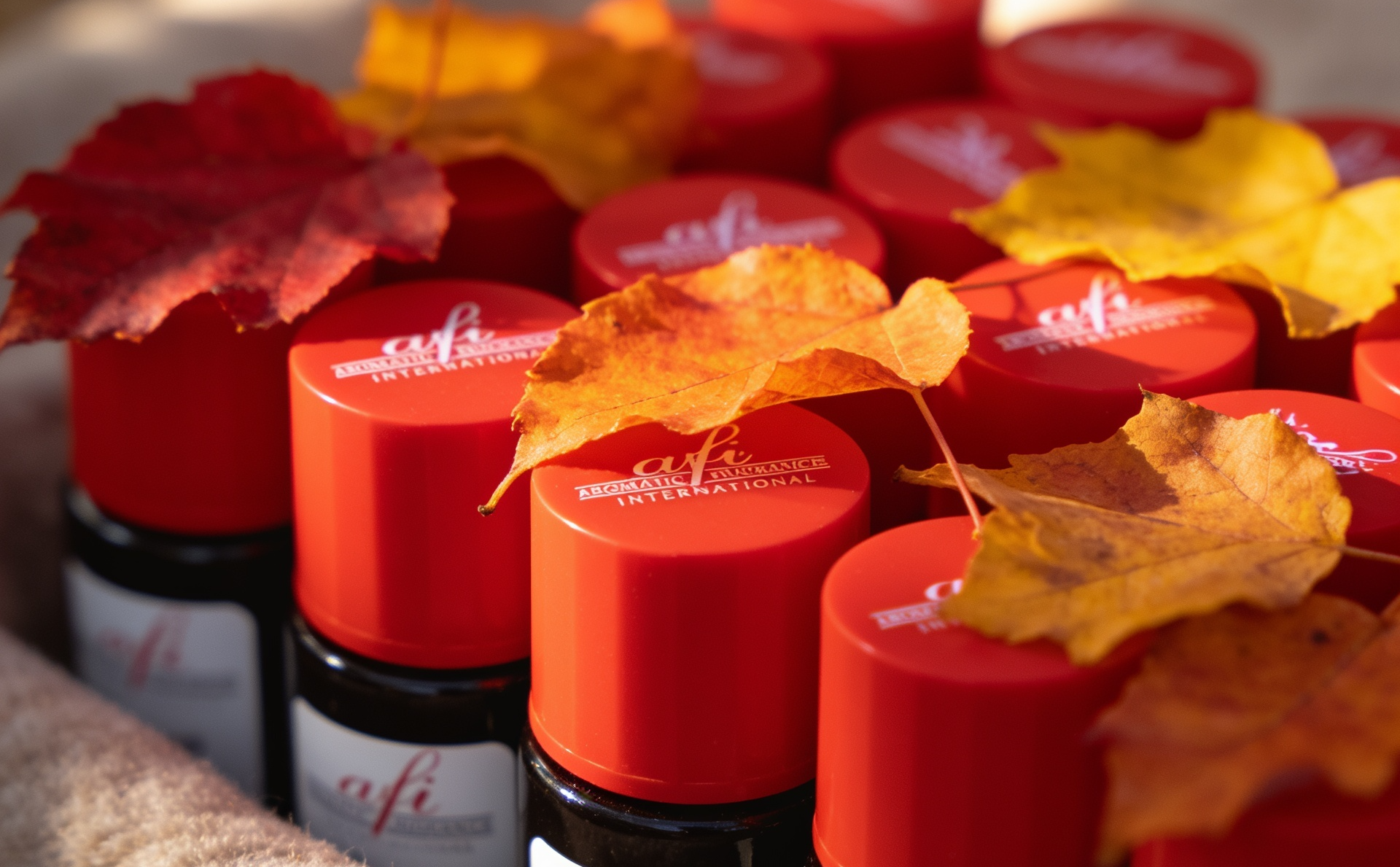
At Aromatic Fragrances International, we provide premium fragrance oils designed for a wide range of applications, along with the technical support and documentation needed to help customers achieve the best possible results.
Visit our About Us page to learn more about AFI’s fragrance expertise, or contact our team through our Contact Page if you have questions about fragrance oil storage, shelf life, or product formulation.
Frequently Asked Questions
Do fragrance oils expire?
Fragrance oils do not expire like food products, but they can oxidize over time, which may alter their scent, color, and performance.
How long do fragrance oils last?
Most fragrance oils perform best when used within one to two years of purchase, although many remain usable for longer when stored properly.
Can fragrance oils grow mold?
No. Fragrance oils contain little to no water and generally cannot support mold, bacteria, or fungal growth.
What causes fragrance oils to go bad?
Fragrance oils typically do not spoil, but exposure to oxygen, heat, UV light, and temperature fluctuations can cause oxidation and fragrance degradation.
How should fragrance oils be stored?
Store fragrance oils in tightly sealed containers, away from heat sources, direct sunlight, and excessive temperature changes.
Can old fragrance oils still be used?
In many cases, yes. If the fragrance still smells normal and performs well, it may remain suitable for use. Testing before production is recommended.
Why did my fragrance oil change color?
Color changes often occur naturally as fragrance components oxidize over time. Certain fragrance ingredients, such as vanilla, may darken more noticeably.
Does refrigeration extend fragrance oil shelf life?
While refrigeration is generally unnecessary, maintaining cool and stable storage conditions can help slow oxidation and preserve fragrance quality.