
In today’s competitive marketplace, fragrance can be one of the most powerful ways to differentiate your products and create lasting connections with customers. Whether you’re launching a candle line, developing luxury home fragrance products, expanding a personal care brand, or creating a retail experience, a custom fragrance can help establish a unique identity that customers recognize and remember. Custom fragrance manufacturing allows businesses to move beyond off-the-shelf scents and develop proprietary fragrance profiles tailored to their brand vision, target audience, and product applications.
From initial concept development to production and commercialization, the process combines creativity, technical expertise, and rigorous testing to bring a unique scent to life. This guide explores how custom fragrance manufacturing works, the benefits of creating a signature fragrance, and what businesses should consider when partnering with a fragrance manufacturer.
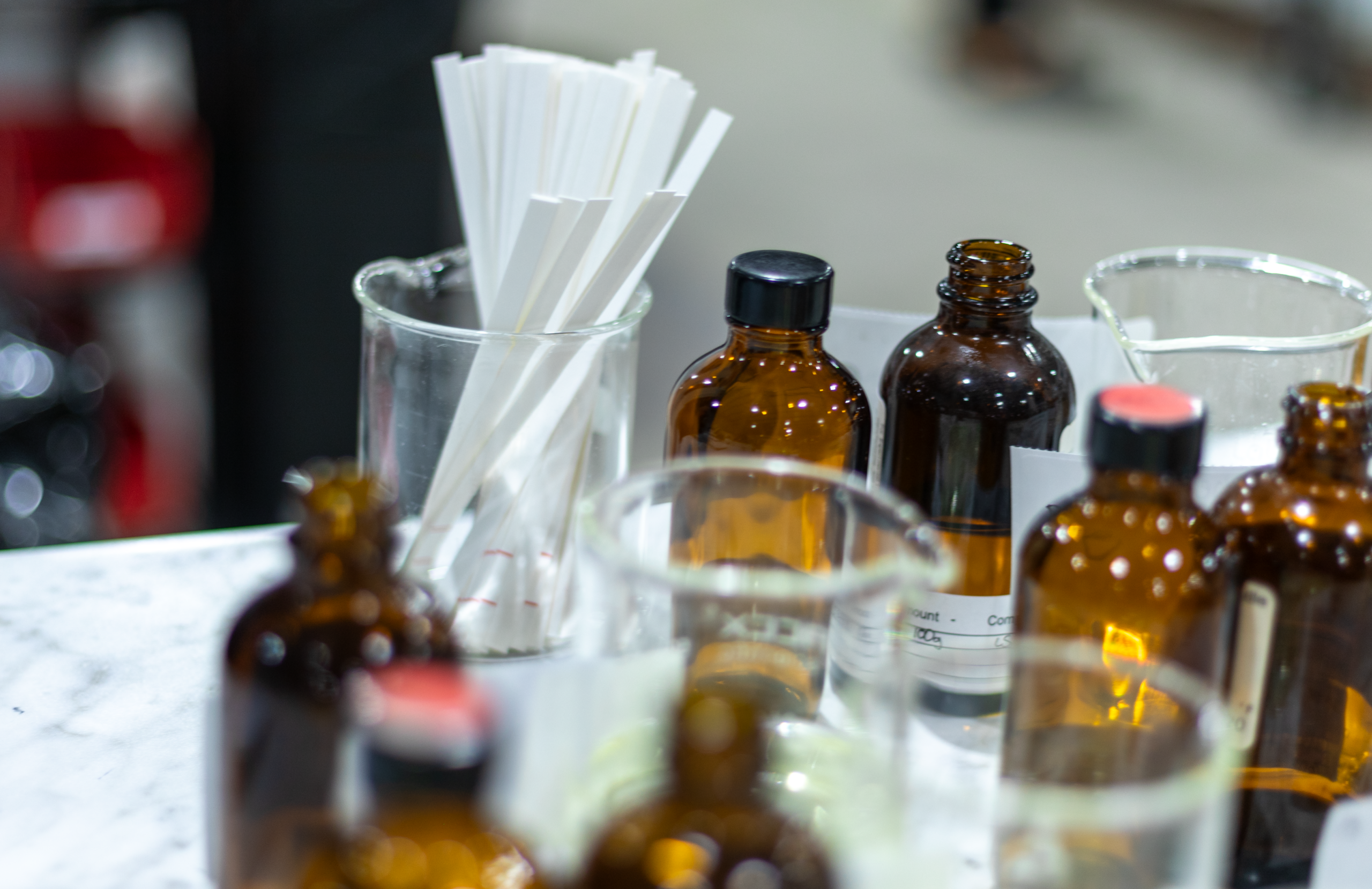
What Is Custom Fragrance Manufacturing?
Custom fragrance manufacturing is the process of developing a unique fragrance formulation specifically for a brand, product line, or business application.
Unlike stock fragrances that are available to multiple customers, custom fragrances are developed around a specific scent brief and often become proprietary assets for the client.
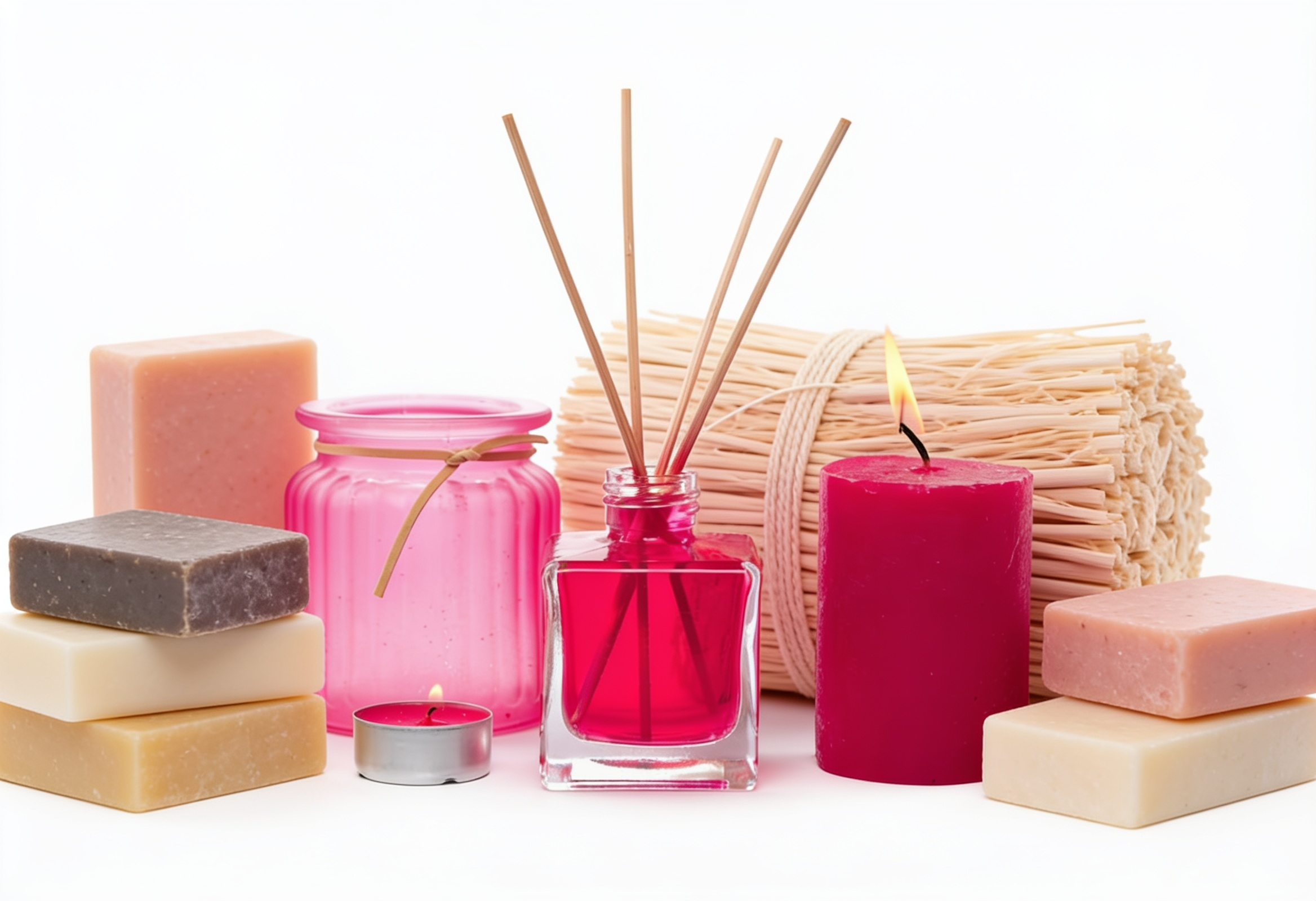
Custom fragrance manufacturing can be used for:
- Candles
- Reed diffusers
- Room sprays
- Air fresheners
- Soaps
- Lotions
- Body oils
- Perfumes
- Hair care products
- Household cleaning products
- Hospitality scenting programs
- Retail scent branding
The goal is to create a fragrance that aligns with a company’s brand identity and delivers a memorable customer experience.

Why Businesses Invest in Custom Fragrance Development
As markets become increasingly crowded, unique products become more valuable.
Brand Differentiation
Many businesses use similar stock fragrances available throughout the market.
Custom fragrance development allows brands to offer something customers cannot easily find elsewhere.
Benefits include:
- Stronger brand recognition
- Increased customer loyalty
- Greater product exclusivity
- Reduced direct competition
Enhanced Customer Experience
Fragrance has a powerful influence on emotion and memory.
A well-developed custom scent can:
- Strengthen brand perception
- Encourage repeat purchases
- Improve customer engagement
- Create a premium experience
Proprietary Product Development
Custom fragrances can become valuable intellectual property assets.
Brands often build entire product collections around a signature fragrance profile that customers associate exclusively with their business.
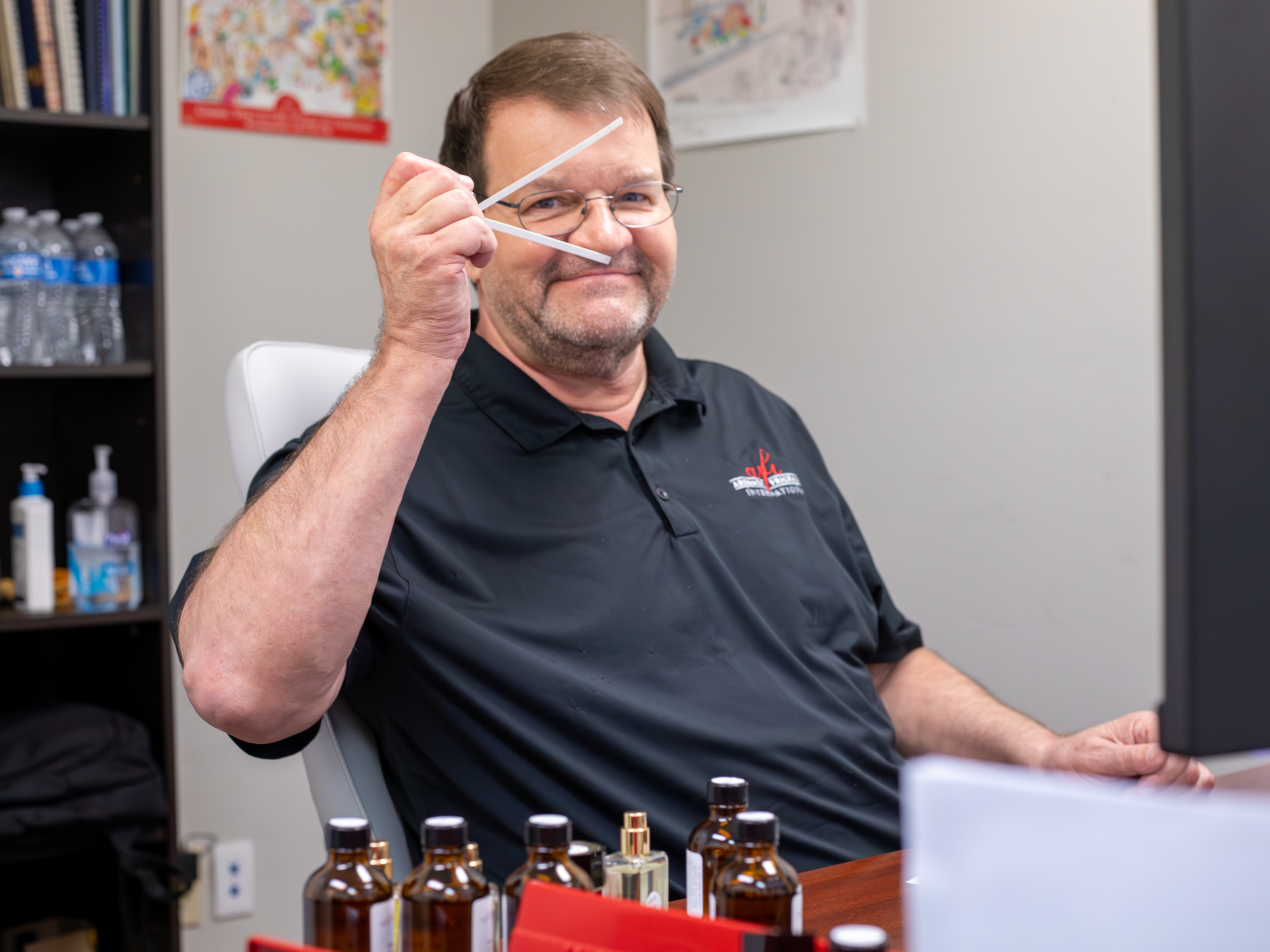
The Custom Fragrance Manufacturing Process
While every manufacturer may have slightly different procedures, most custom fragrance projects follow a similar path.
Step 1: Discovery and Consultation
The process typically begins with a fragrance brief.
This may include:
- Brand identity
- Target audience
- Product application
- Desired fragrance family
- Inspiration references
- Competitive products
- Budget considerations
Clients often provide examples of fragrances they like, along with descriptions of the mood or experience they want to create.
Step 2: Fragrance Development
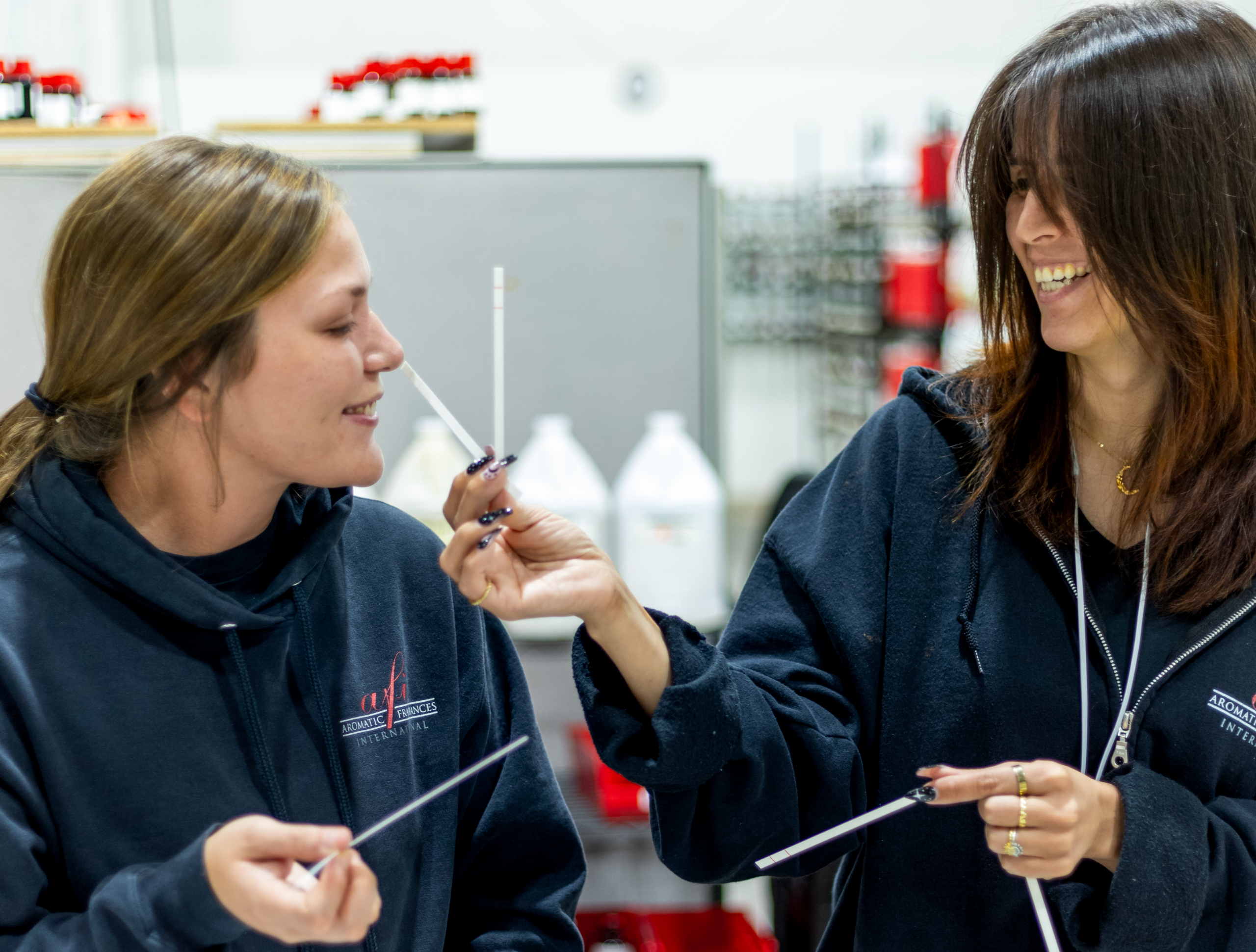
Professional perfumers use the fragrance brief to create one or more fragrance concepts.
These initial versions may explore:
- Different scent directions
- Varying intensities
- Alternative ingredient combinations
- Application-specific performance requirements
The objective is to translate a concept into a functional fragrance formula.
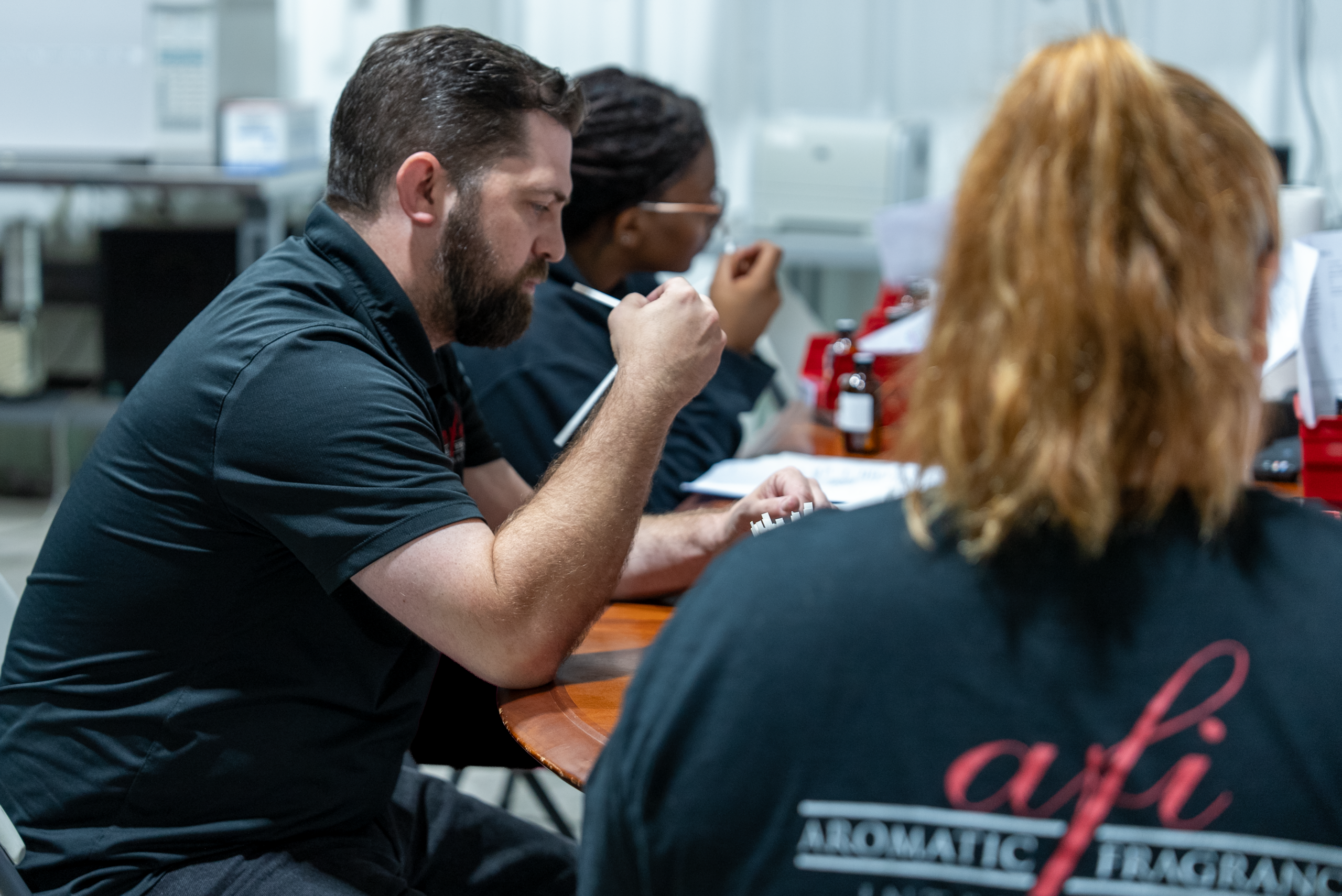
Step 3: Evaluation and Feedback
Once fragrance samples are prepared, clients evaluate each option and provide feedback.
Common revision requests include:
- Increasing sweetness
- Adding freshness
- Enhancing longevity
- Softening certain notes
- Improving complexity
- Regulatory adjustments
Several rounds of refinement may occur before a final fragrance is approved.
Step 4: Application Testing
A fragrance that smells excellent in a bottle may perform differently in a finished product.
Testing is often conducted in:
- Candles
- Wax melts
- Reed diffusers
- Room sprays
- Soaps
- Personal care formulations
This stage helps verify performance under real-world conditions.
Step 5: Final Approval and Manufacturing
Once testing is complete and the formula is approved, production can begin.
Manufacturers establish:
- Production specifications
- Quality control procedures
- Documentation packages
- Inventory planning
The fragrance then becomes ready for commercial use.
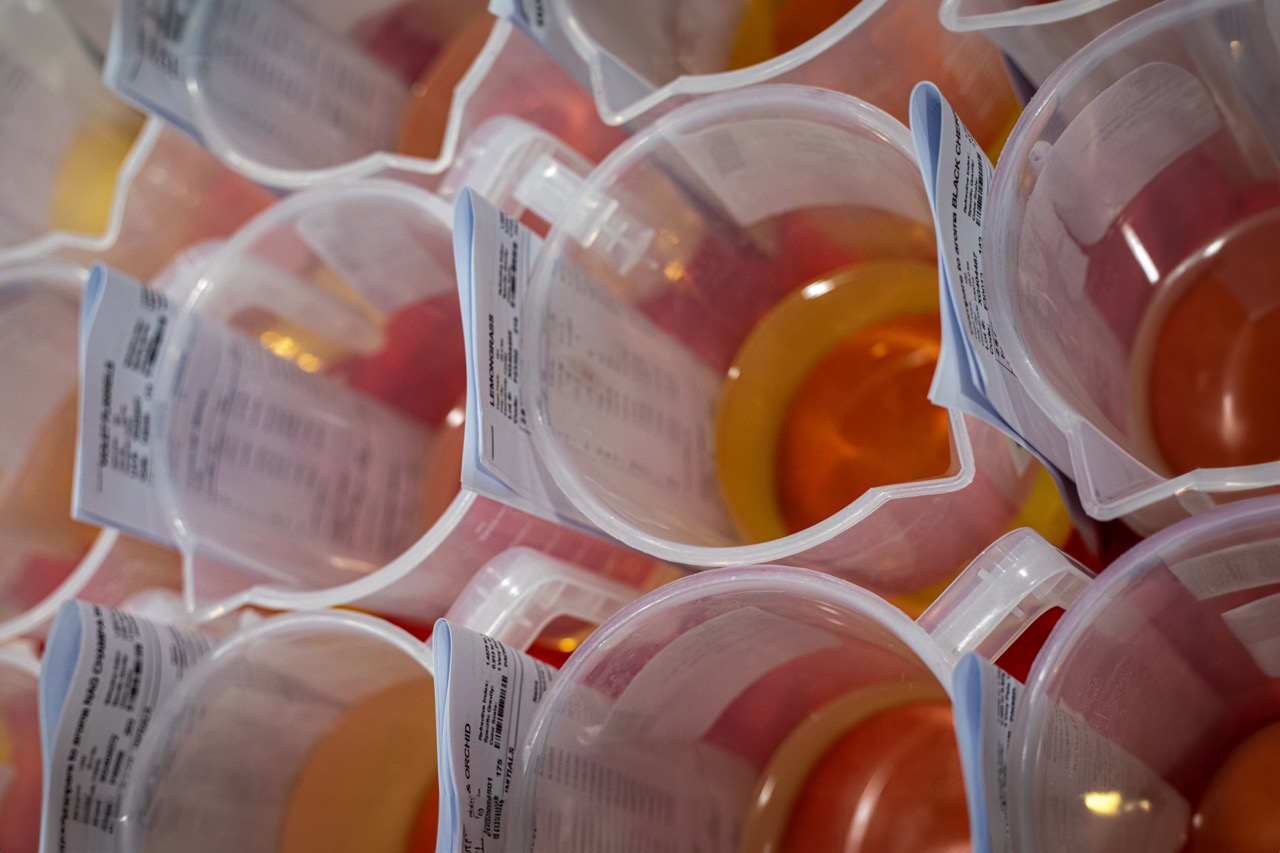
Understanding Fragrance Notes
Many fragrance briefs reference fragrance notes and fragrance families.
Top Notes
Top notes create the first impression of a fragrance.
Examples include:
- Lemon
- Bergamot
- Grapefruit
- Green apple
These notes are often bright and fresh but dissipate relatively quickly.
Middle Notes
Middle notes form the heart of a fragrance.
Examples include:
- Jasmine
- Lavender
- Rose
- Peony
These notes provide character and balance.
Base Notes
Base notes create depth and longevity.
Examples include:
- Vanilla
- Amber
- Sandalwood
- Musk
- Cedarwood
Base notes often remain noticeable long after the fragrance is initially experienced.
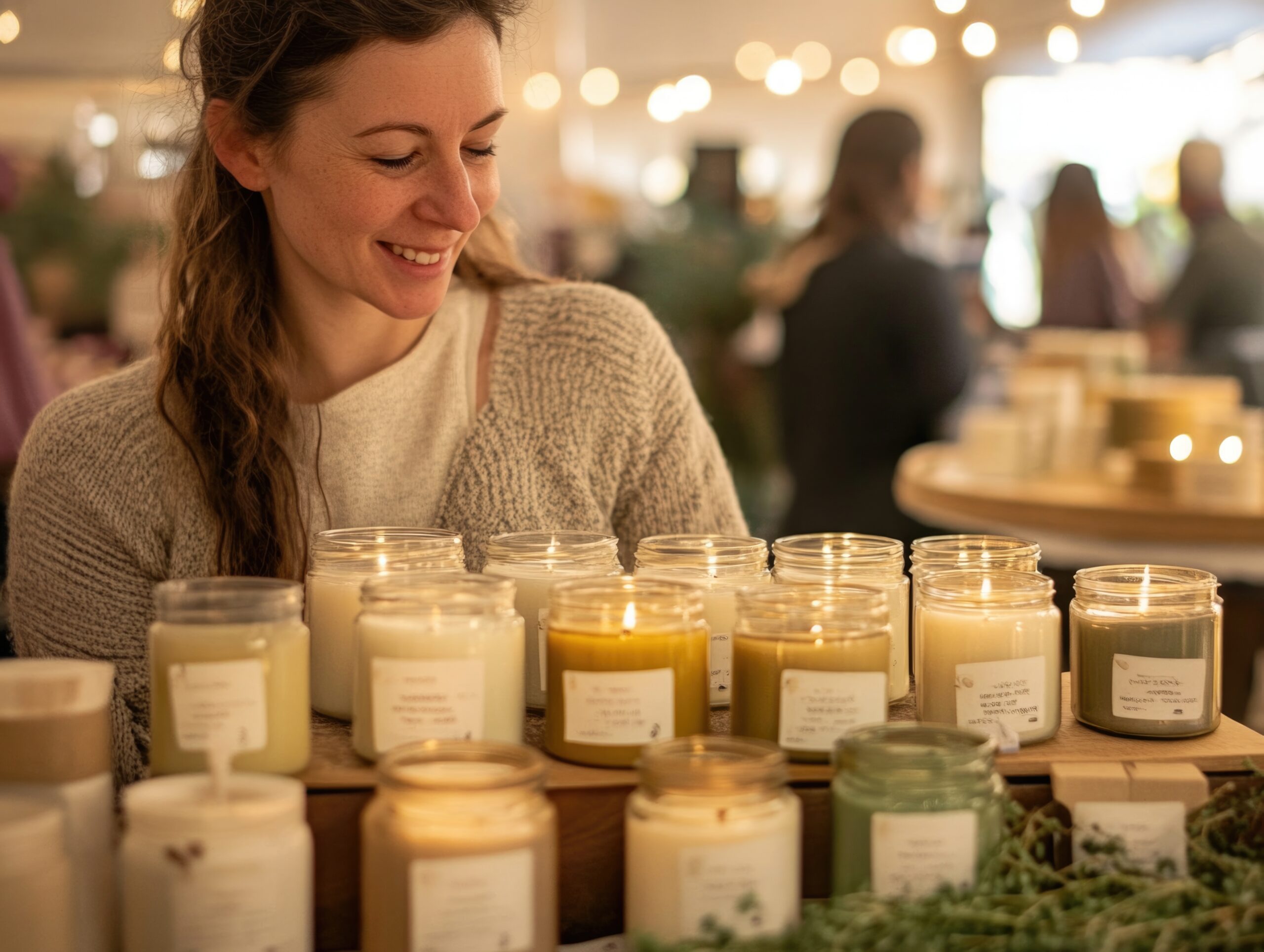
Custom Fragrances for Different Industries
Different industries have unique performance requirements.
Candle Manufacturers
Custom candle fragrances must be designed for:
- Cold throw
- Hot throw
- Wax compatibility
- Heat stability
Reed Diffuser Brands
Diffuser fragrances require attention to:
- Diffusion performance
- Stability
- Longevity
Personal Care Products
Lotions, soaps, body oils, and other personal care products require:
- Skin-safe usage levels
- Regulatory compliance
- Ingredient transparency
Hospitality and Retail
Hotels, spas, and retailers often use custom fragrance manufacturing to create branded scent experiences that strengthen customer recognition.
Important Documentation and Compliance Considerations
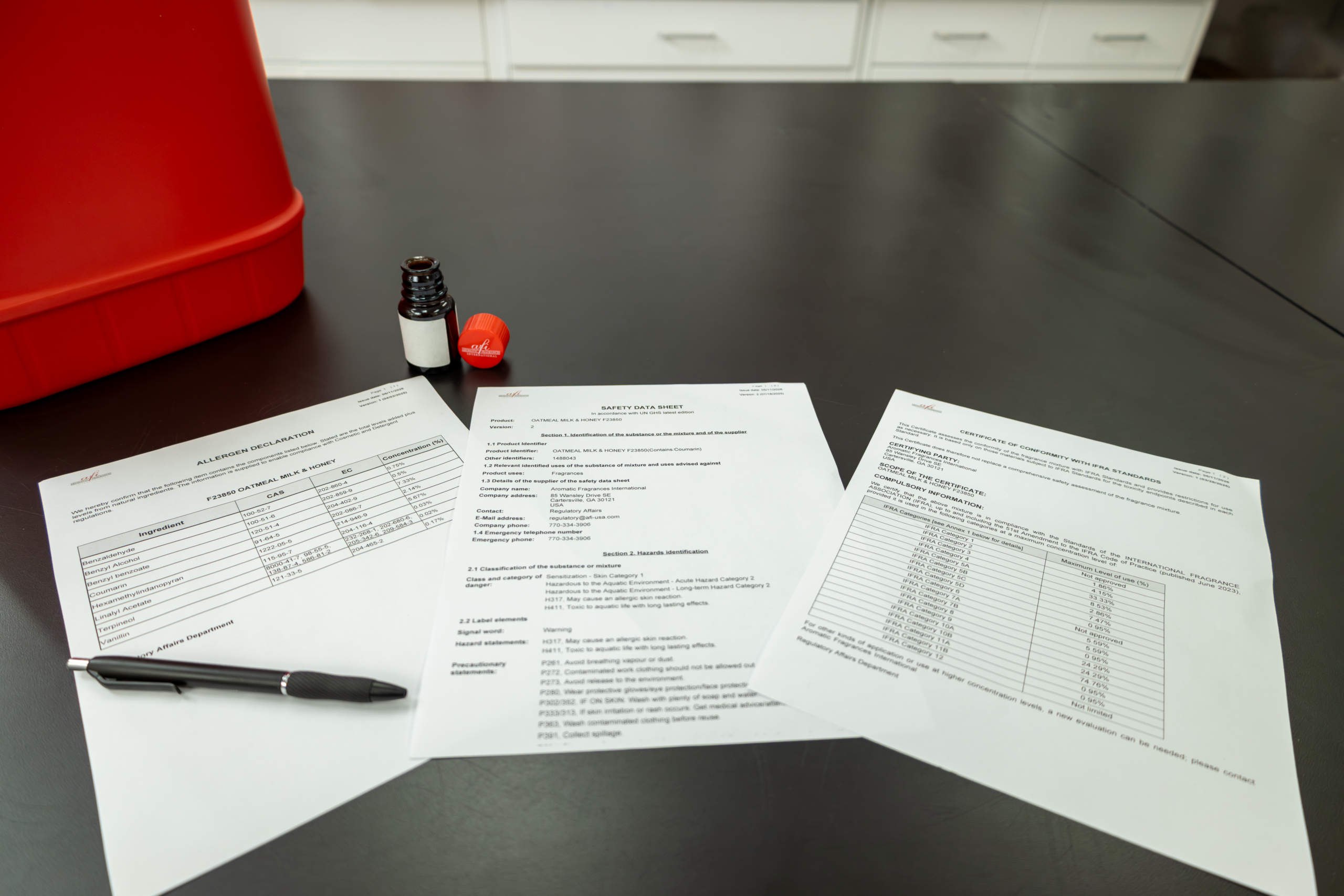
A reputable fragrance manufacturer should provide documentation that supports safe product development.
IFRA Certificates
IFRA standards provide guidance for fragrance usage across multiple product categories.
These documents help determine appropriate usage rates for:
- Candles
- Soaps
- Lotions
- Perfumes
- Air care products
Safety Data Sheets (SDS)
SDS documents provide information regarding:
- Storage
- Transportation
- Hazard identification
- Handling recommendations
EU Allergen Declarations
These documents identify fragrance allergens that may require disclosure depending on product type and jurisdiction.

Factors That Influence Custom Fragrance Costs
Several variables impact development costs.
Custom Fragrance Complexity
More complex formulations often require:
- Additional raw materials
- Increased development time
- Additional testing
Number of Revisions
Projects involving multiple development rounds typically require greater resources.
Production Volume
Larger production volumes often reduce per-pound costs.
Exclusivity Requirements
Exclusive fragrance ownership may affect development and manufacturing pricing structures.
Questions to Ask a Custom Fragrance Manufacturer
Before beginning a project, consider asking:
- What is your fragrance development process?
- How many revisions are included?
- What documentation is available?
- What are your minimum order quantities?
- How long does development typically take?
- Can you assist with application testing?
- Do you offer fragrance exclusivity options?
- What industries do you specialize in?
The answers can help determine whether a manufacturer is a good fit for your business goals.
How a custom Fragrance Can Support Long-Term Brand Growth
The most successful fragrance-based brands often view fragrance as more than an ingredient—they view it as part of their identity.
A signature scent can:
- Increase customer recognition
- Strengthen emotional connections
- Differentiate products
- Support premium pricing
- Create long-term brand equity
When developed thoughtfully and paired with high-quality products, a custom fragrance can become one of a company’s most valuable assets.
Partner With Aromatic Fragrances International for Custom Fragrance Manufacturing
Creating a successful custom fragrance requires creativity, technical expertise, and a deep understanding of fragrance performance across different applications. Whether you’re developing a signature candle scent, launching a personal care line, creating a hospitality fragrance program, or expanding an existing product collection, the right manufacturing partner can help bring your vision to life.
At Aromatic Fragrances International, we work with brands across a variety of industries to develop custom fragrance solutions tailored to their unique goals. From concept development and fragrance creation to testing, documentation, and production, our team is committed to helping businesses create memorable scent experiences that support long-term growth.
To learn more about our custom fragrance manufacturing capabilities, visit our Fragrance Library or contact our team through our Contact Page to discuss your project.
Frequently Asked Questions
What is custom fragrance manufacturing?
Custom fragrance manufacturing is the process of creating a unique fragrance formula tailored to a specific brand, product, or application.
How long does custom fragrance development take?
Development timelines vary depending on complexity, revisions, and testing requirements. Many projects take several weeks to several months from concept to production.
Can I own my custom fragrance?
Many manufacturers offer exclusive custom fragrance development options that allow clients to use a proprietary scent for their products.
What products can use custom fragrances?
Custom fragrances can be developed for candles, soaps, room sprays, reed diffusers, perfumes, lotions, body care products, cleaning products, and more.
What information should I provide when requesting a custom fragrance?
A fragrance brief typically includes your target audience, product type, scent preferences, inspiration references, and overall brand vision.
Do custom fragrances require testing?
Yes. Testing helps verify performance, stability, and compatibility within the intended application.
What documentation is typically available for custom fragrances?
Most manufacturers provide IFRA certificates, Safety Data Sheets (SDS), and EU allergen declarations.
Is custom fragrance manufacturing only for large companies?
No. Many manufacturers work with startups, emerging brands, and established businesses across a wide range of production volumes.