
Have you ever discovered a fragrance you absolutely love and wished you could recreate it for your own products?
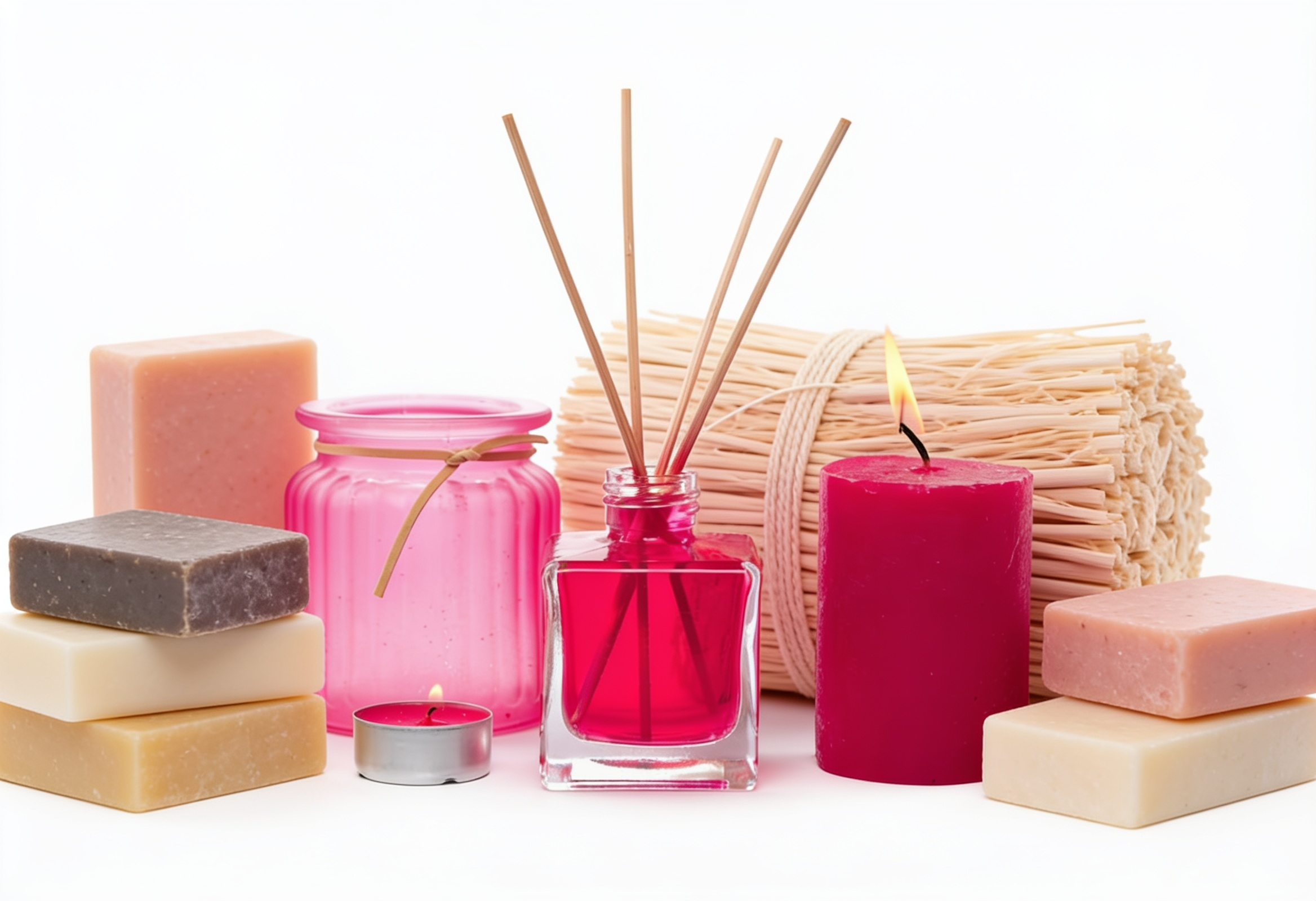
Whether it’s a candle, perfume, body oil, room fragrance, lotion, or another scented product, fragrance duplication services make it possible to analyze and recreate existing scents with remarkable accuracy.
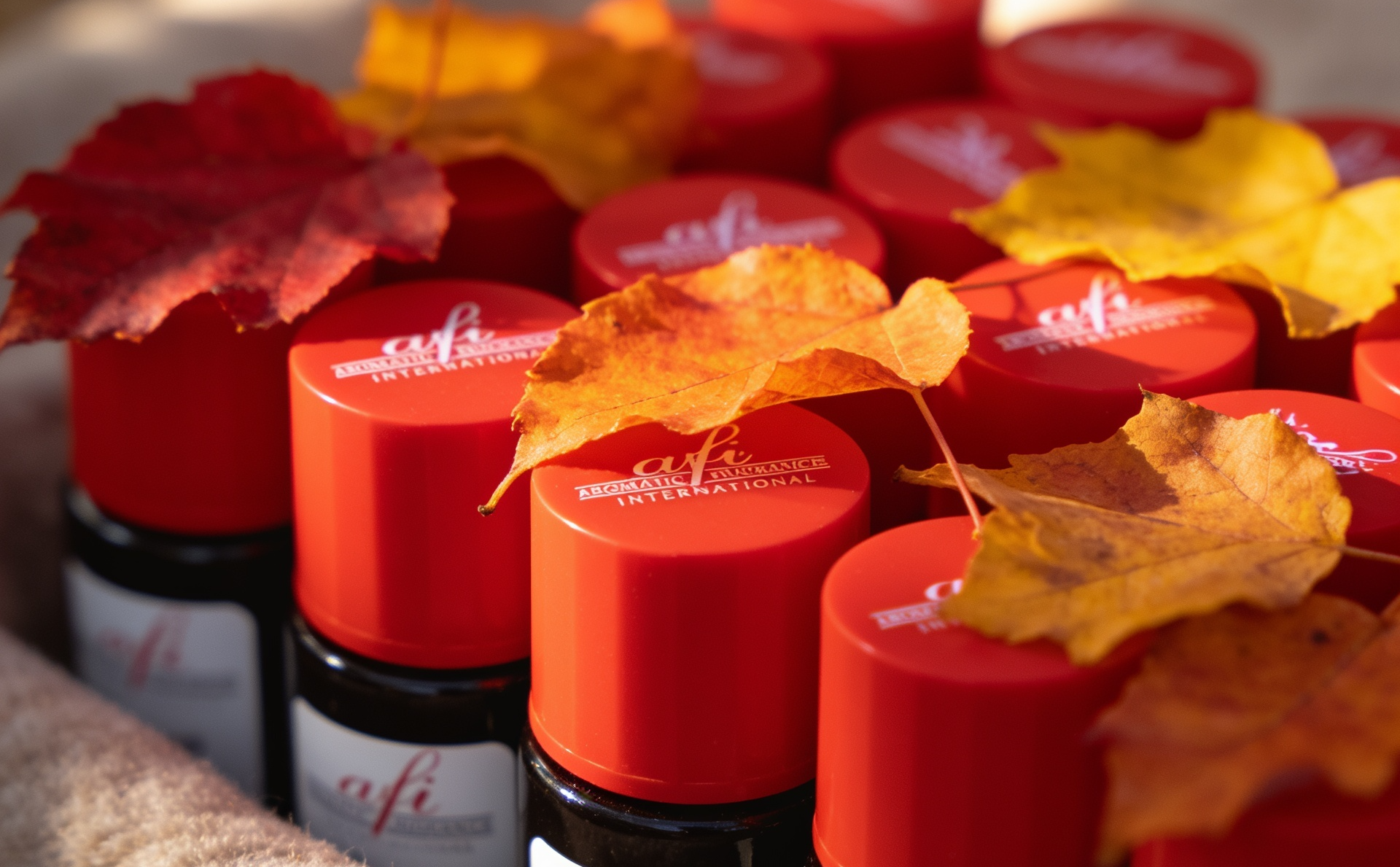
At Aromatic Fragrances International (AFI), fragrance duplication is one of our most popular specialty services. Using advanced GC Mass Spectrometry technology and experienced fragrance development professionals, we can reverse engineer fragrances from a wide variety of products and develop matching fragrance oils for commercial applications.
In this guide, we’ll explain how fragrance duplication works, what products can be analyzed, how much sample material is needed, and what you can expect during the duplication process.
What Are Fragrance Duplication Services?
Fragrance duplication services involve analyzing an existing fragrance and recreating it as a fragrance oil formulation.
This process is commonly used by:
- Candle manufacturers
- Soap makers
- Personal care brands
- Home fragrance companies
- Private label brands
- Retailers
- Product developers
A duplication project may be requested when:
- A fragrance has been discontinued.
- A supplier is no longer available.
- A business wants greater supply chain control.
- A company wants to recreate a signature scent.
- A product developer wants to launch a similar fragrance profile.
Modern analytical equipment allows fragrance chemists to identify many of the components that contribute to a fragrance’s composition.
How Does Fragrance Duplication Work?
Fragrance duplication begins with obtaining a suitable sample.
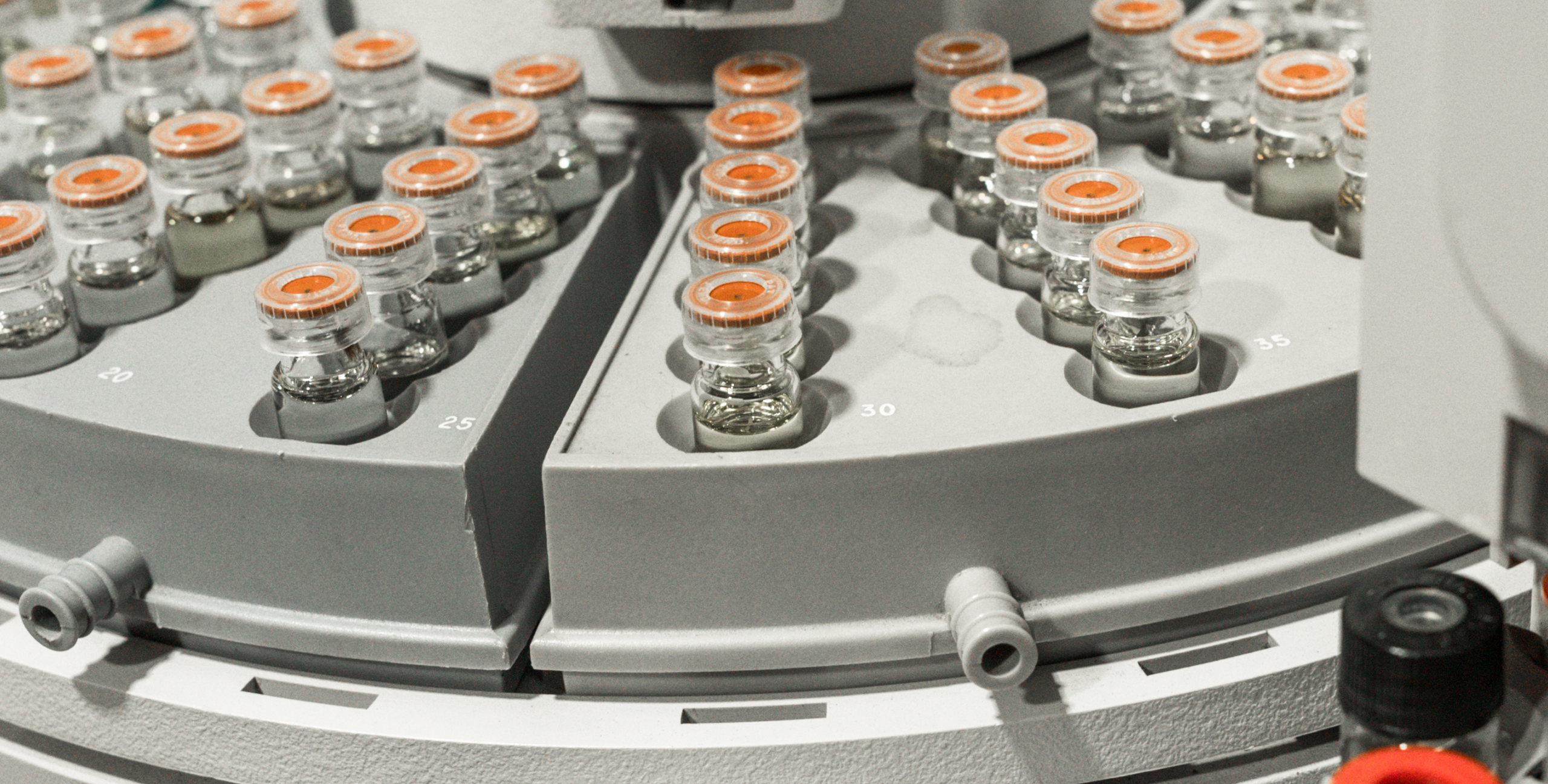
The sample is analyzed using sophisticated laboratory equipment, including Gas Chromatography-Mass Spectrometry (GC-MS).
What Is GC Mass Spectrometry?
GC Mass Spectrometry is one of the most powerful tools available for fragrance analysis.
The process allows chemists to:
- Separate fragrance compounds
- Identify fragrance components
- Analyze concentration levels
- Reconstruct fragrance profiles
This technology provides critical information used to recreate the scent as accurately as possible.
At AFI, our in-house GC Mass Spectrometry capabilities allow us to perform detailed fragrance analysis and support complex duplication projects.
Why Sample Size Matters
One of the most common questions we receive is:
“How much product do I need to send for fragrance duplication?”
The answer depends on the product type and fragrance concentration.
While fragrance oils can often be analyzed directly, finished products require fragrance extraction before analysis can occur.
Because some fragrance is lost during extraction, larger sample sizes generally improve the likelihood of successful duplication.
As a general rule:
The more sample material you can provide, the better.
Fragrance Oil Duplication Requirements
If you already have the fragrance oil itself, duplication is typically straightforward.
Recommended Sample Amount
- Minimum: 0.5 ounce
- Preferred: 1 ounce or more
Providing additional material allows for more thorough analysis and testing throughout the duplication process.
Candle Fragrance Duplication
Candles are among the most common fragrance duplication requests we receive.
However, candles require fragrance extraction from wax before analysis can begin.
Several factors influence extraction success, including:
- Fragrance load
- Wax type
- Fragrance concentration
- Fragrance composition
How Much Candle Wax Is Needed?
Recommended sample amounts:
| Product Type | Recommended Amount |
|---|---|
| Candle Wax | 10–20 ounces |
Fragrances containing delicate top notes such as:
- Citrus
- Green notes
- Light florals
may require larger sample sizes to ensure sufficient extraction.
For best results, we recommend sending more candle material than you think may be necessary.
Wallflower and Plug-In Fragrance Duplication
Plug-in air fresheners and diffuser refills are another common duplication request.
Products similar to wallflower-style refills typically contain concentrated fragrance blended with carrier materials.
Recommended Sample Amount
| Product Type | Recommended Amount |
| Plug-In Refill Liquids | Two full bottles (approximately 3.2 ounces) |
Additional product may improve extraction efficiency and analysis quality.
Soap Fragrance Duplication
Soap products present unique extraction challenges due to their formulation and curing processes.
Fortunately, fragrance can often be successfully extracted from both solid and liquid soap products.
Bar Soap Requirements
| Product Type | Recommended Amount |
| Bar Soap | 3–4 bars at 4.5 oz minimum each |
Liquid Soap Requirements
| Product Type | Recommended Amount |
| Liquid Soap | 20 ounces or more |
Providing larger samples increases the amount of fragrance available for extraction and analysis.
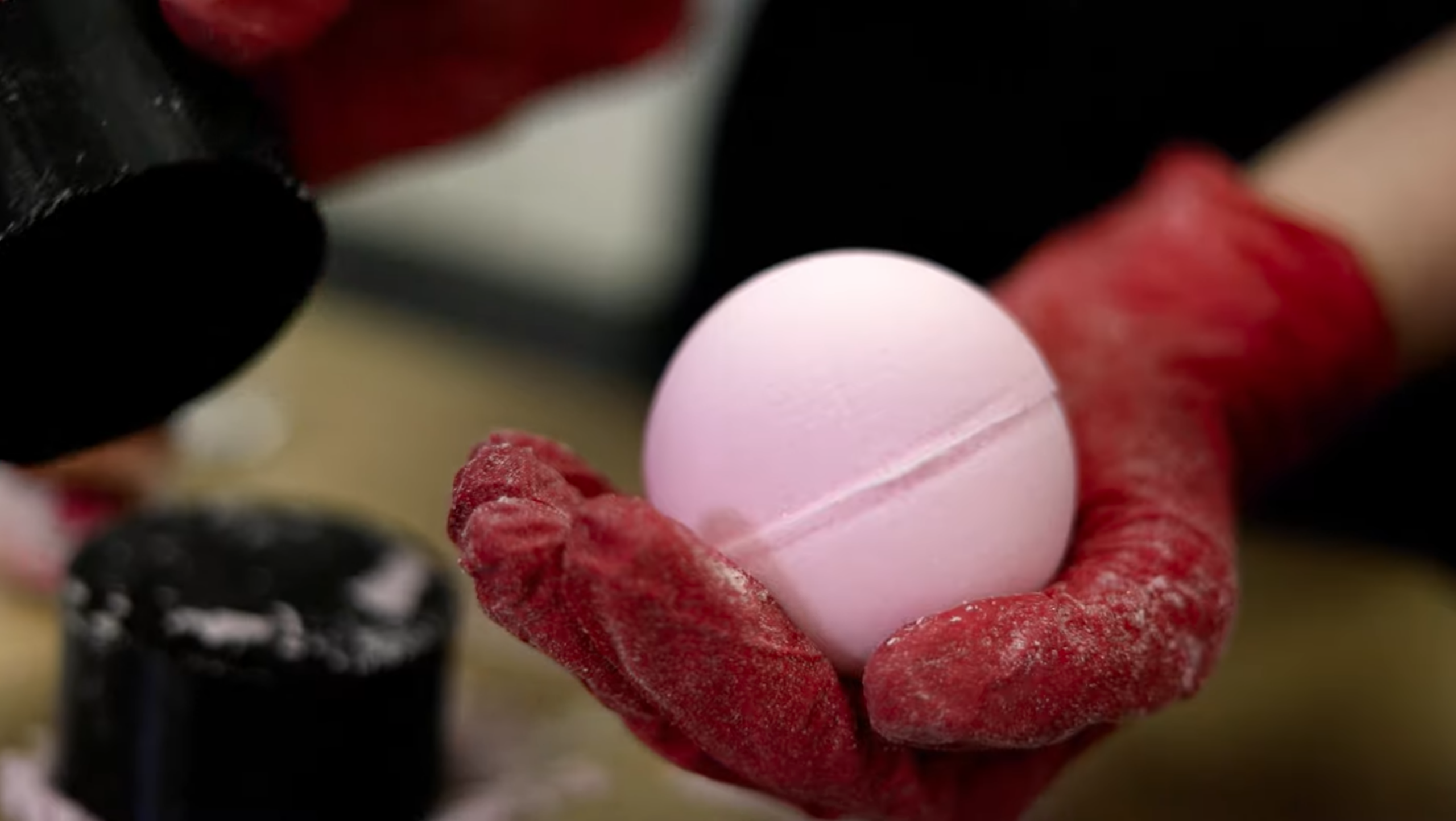
Bath Bomb Fragrance Duplication
Bath bombs are another product category that can be successfully analyzed for fragrance duplication.
Since fragrance is distributed throughout the product, sufficient material is required for extraction.
Recommended Sample Amount
| Product Type | Recommended Amount |
| Bath Bombs | 3–4 bath bombs at 4.5 oz minimum each |
As with other product types, larger samples typically improve results.
Perfume and Fine Fragrance Duplication
Fine fragrance duplication is one of the most exciting applications of fragrance reverse engineering.
Whether you’re looking to recreate a favorite perfume, discontinued fragrance, or signature scent, GC-MS analysis can help identify the fragrance’s composition.
Recommended Sample Amount
| Product Type | Recommended Amount |
| Perfume | 1–2 ounces |
| Body Oil | 1–2 ounces |
However, the concentration of fragrance within the product plays an important role.
Fragrance Concentration Hierarchy
From highest fragrance concentration to lowest:
- Perfume (Parfum)
- Eau de Parfum
- Eau de Toilette
- Cologne
- Eau Fraîche
Lower concentration products require larger sample sizes because they contain less fragrance material available for extraction.
Laundry Detergent Fragrance Duplication
Many household cleaning products contain surprisingly low fragrance concentrations.
As a result, significantly larger sample sizes are required.
Recommended Sample Amount
| Product Type | Recommended Amount |
| Laundry Detergent | 40 ounces or more |
This allows sufficient fragrance material to be isolated during extraction.
Incense Fragrance Duplication
Incense products can also be analyzed and duplicated.
Because fragrance content is distributed throughout the incense material, larger quantities are required.
Recommended Sample Amount
| Product Type | Recommended Amount |
| Incense Sticks | Approximately 90 sticks |
| Incense Cones | Approximately 30 cones |
| Total Weight | At least 3.5 ounces |
Additional Products We Can Extract for Fragrance Duplication
Our extraction and analysis capabilities extend beyond the most common product categories.
Examples include:
- Candles
- Wax melts
- Reed diffusers
- Plug-in diffusers
- Wallflower refills
- Soap
- Bath bombs
- Lotion
- Body butter
- Hair care products
- Air fresheners
- Laundry detergents
- Fabric treatments
- Dish detergents
- Perfume
- Cologne
- Body oil
- Hair mists
- Body sprays
- Incense sticks
- Incense cones
If you’re unsure whether a product can be analyzed, our team can help determine feasibility before a project begins.
Why Businesses Use Fragrance Duplication Services
Fragrance duplication serves many practical business purposes.
Common reasons include:
Replacing Discontinued Fragrances
Many manufacturers discontinue fragrance oils over time.
Duplication can help businesses maintain continuity within their product lines.
Creating Supply Chain Stability
Relying on a single supplier can create risk.
Duplicating a fragrance provides greater sourcing flexibility.
Developing Signature Fragrances
Businesses often use fragrance duplication as a starting point before making modifications that create a unique proprietary scent.
Expanding Product Lines
A successful fragrance can often be adapted across multiple product categories.
How Accurate Is Fragrance Duplication?
One of the most common questions surrounding fragrance duplication services is accuracy.
While no duplication can be guaranteed to be chemically identical to the original formulation, modern GC Mass Spectrometry technology allows highly accurate fragrance matching.
At AFI, our fragrance duplication process regularly achieves matches that closely replicate the original fragrance profile, allowing brands to maintain consistency and preserve the scent characteristics customers know and love.
Factors that influence duplication accuracy include:
- Sample quality
- Sample quantity
- Product type
- Fragrance complexity
- Age of the original product
Providing larger, fresher samples generally leads to the best results.
Partner with AFI for Professional Fragrance Duplication Services
Fragrance duplication is both a science and an art. While advanced GC Mass Spectrometry equipment provides the analytical foundation, successful duplication also relies on experienced fragrance professionals who understand how fragrance materials interact and perform across different applications.
At Aromatic Fragrances International, our in-house laboratory capabilities and decades of fragrance industry experience allow us to assist customers with fragrance matching, fragrance duplication, fragrance extraction, custom fragrance development, and manufacturing solutions.
Whether you’re trying to recreate a discontinued fragrance, develop a signature scent, or secure a more reliable supply chain, our team is here to help.
Visit our Frequently Asked Questions page to learn more about AFI’s fragrance expertise, or contact our team through our Contact Page to discuss your next fragrance duplication project.
Frequently Asked Questions
What are fragrance duplication services?
Fragrance duplication services involve analyzing an existing fragrance and recreating it as a fragrance oil formulation using laboratory analysis and fragrance development techniques.
How does fragrance duplication work?
Fragrance duplication uses technologies such as GC Mass Spectrometry to identify fragrance components and recreate the fragrance profile as accurately as possible.
Can you duplicate fragrance from a candle?
Yes. Fragrance can often be extracted from candle wax and analyzed for duplication purposes. Most projects require between 10 and 20 ounces of candle wax.
Can perfume be duplicated?
Yes. Perfumes, body oils, colognes, and other fine fragrances can often be analyzed and duplicated using fragrance extraction and GC-MS analysis.
How much sample do I need for fragrance duplication?
Sample requirements vary by product type. Fragrance oils may require as little as half an ounce, while products such as laundry detergent may require 40 ounces or more.
Can you duplicate discontinued fragrances?
In many cases, yes. Fragrance duplication services are frequently used to recreate discontinued scents that are no longer commercially available.
What products can be used for fragrance duplication?
Common products include candles, soaps, bath bombs, perfumes, lotions, air fresheners, laundry detergents, incense, body oils, and diffuser liquids.
Does providing more sample improve results?
Yes. Larger samples typically provide more fragrance material for extraction and analysis, improving the likelihood of achieving an accurate duplication.