
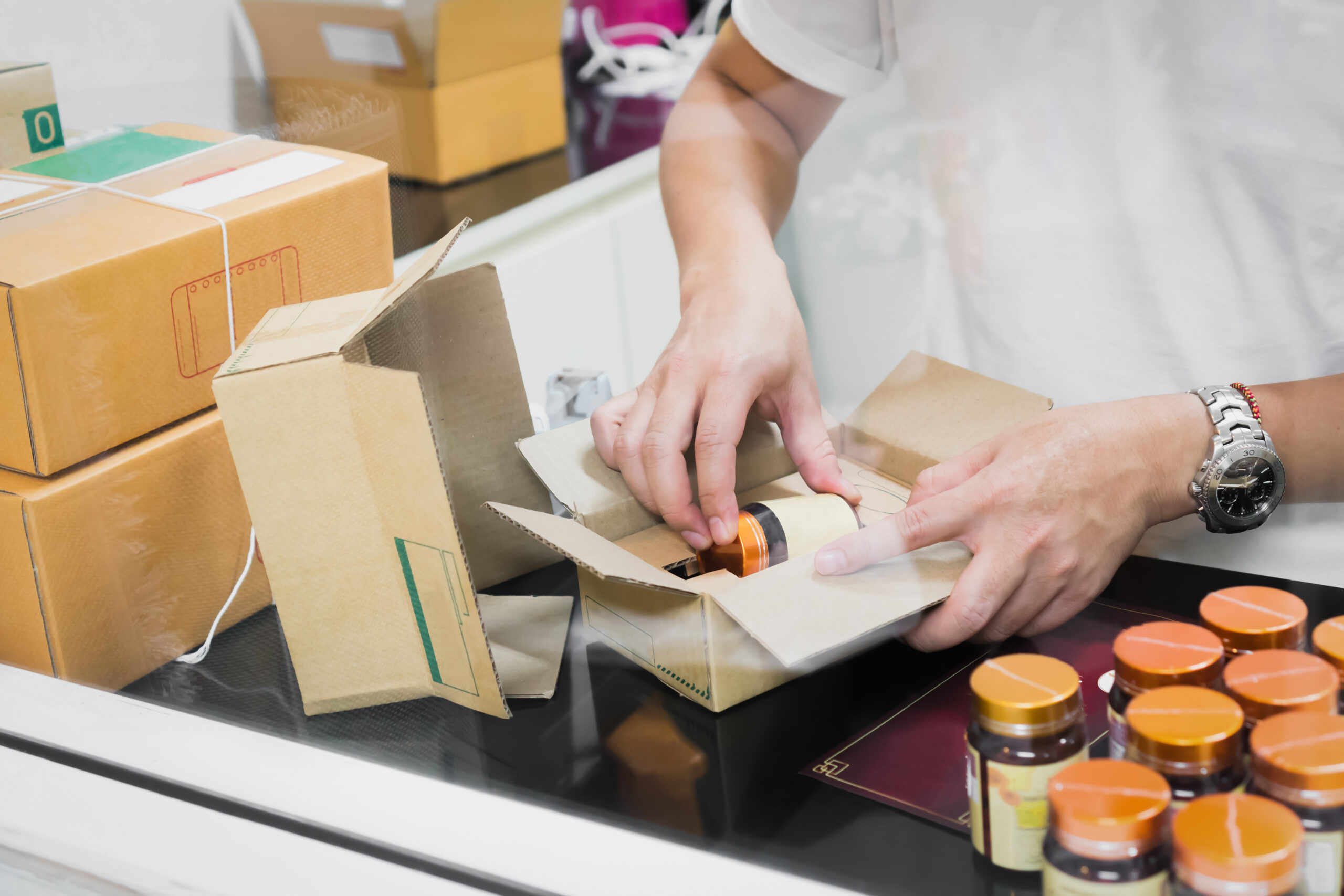
In today’s competitive marketplace, product label design is far more than simply displaying a product name and logo. Your label is often the first interaction a customer has with your brand, making it one of the most important marketing tools you possess.
Whether you’re selling candles, soaps, body care products, room sprays, reed diffusers, or other handmade goods, your label helps communicate quality, professionalism, and brand identity before a customer ever experiences what’s inside the container.
A thoughtfully designed label can help attract attention, establish trust, reinforce brand values, and ultimately influence purchasing decisions.
In this guide, we’ll explore the fundamentals of effective product label design, including branding, material selection, compliance considerations, and consumer psychology.
Why Product Label Design Matters
Consumers make purchasing decisions quickly.
Before someone smells your candle, tries your body butter, or uses your room spray, they evaluate what they can immediately see—and your label is often the most visible part of your packaging.
Strong product label design can help:
- Capture attention on crowded shelves
- Increase perceived product value
- Build brand recognition
- Communicate quality and professionalism
- Differentiate products from competitors
- Encourage repeat purchases
For small businesses and growing brands, effective labeling can create a powerful competitive advantage.
Building a Strong Brand Identity Through Product Labels
The best product labels don’t exist independently—they work as part of a larger branding strategy.
Create a Consistent Visual Identity
Customers should be able to recognize your products immediately.
Consistency across your product line helps establish familiarity and trust.
Important branding elements include:
- Logo design
- Brand colors
- Typography
- Packaging style
- Graphic elements
- Photography style
When all of these elements work together, they create a cohesive brand experience.
Develop a Brand Style Guide
As your business grows, maintaining consistency becomes increasingly important.
A brand style guide provides standards for:
- Logo usage
- Color palettes
- Font selections
- Image styles
- Packaging guidelines
This becomes especially valuable when creating new products, marketing materials, social media graphics, and advertising campaigns.
Start With a Mood Board
If you’re building a brand from scratch, a mood board can help clarify your vision.
Include:
- Colors
- Textures
- Fonts
- Product photography
- Lifestyle imagery
- Inspirational brands
This exercise helps identify the visual direction you want your products to communicate.
Choosing Colors That Support Your Brand
Color plays a significant role in product label design and consumer perception.
Different colors often evoke different emotions.
Common Color Associations
| Color | Common Associations |
|---|---|
| Green | Natural, organic, eco-friendly |
| Blue | Clean, trustworthy, calming |
| Black | Luxury, sophistication, premium |
| White | Minimalist, clean, modern |
| Pink | Soft, feminine, playful |
| Gold | Luxury, exclusivity, elegance |
| Brown | Earthy, handcrafted, rustic |
While there are no strict rules, understanding color psychology can help guide your design decisions.
Typography and Readability
Beautiful typography can elevate a product label, but readability should always remain a priority.
Choose Fonts Carefully
Your fonts should reflect your brand personality while remaining easy to read.
For example:
- Serif fonts often communicate tradition and luxury.
- Sans-serif fonts often feel modern and clean.
- Script fonts can feel elegant but should be used sparingly.
Maintain Visual Hierarchy
Customers should immediately understand:
- What the product is
- Who makes it
- Key product benefits
Use font sizes strategically to guide the eye through the label.
Selecting the Right Label Material
The physical material of your label is just as important as its design.
Different products require different levels of durability.
Consider Real-World Usage
Think about how customers interact with your product.
For example:
Body Butters and Lotions
Customers often handle these products with oily or wet hands.
Labels should resist:
- Smudging
- Oil exposure
- Moisture
Candles
Labels should withstand:
- Heat
- Handling
- Storage
Room Sprays and Personal Care Products
Labels should maintain their appearance despite regular use.
Choosing the appropriate label stock helps preserve your brand image throughout the product’s life cycle.
Matte vs. Glossy Labels
One of the most common label design decisions involves choosing between matte and glossy finishes.
Matte Labels
Benefits include:
- Sophisticated appearance
- Premium aesthetic
- Reduced glare
- Modern look
Popular among:
- Luxury brands
- Artisan products
- Minimalist packaging
Glossy Labels
Benefits include:
- Vibrant colors
- Increased durability
- Enhanced visual impact
- Strong shelf presence
Popular among:
- Bright consumer products
- Youth-oriented brands
- High-contrast packaging
Neither option is inherently better—the best choice depends on your brand identity.
Premium Label Features
As your business grows, you may choose to incorporate advanced label enhancements.
These can help increase perceived product value.
Examples include:
Embossing
Creates raised surfaces that add texture and dimension.
Foil Stamping
Adds metallic accents that create a luxury appearance.
Spot UV Coating
Highlights specific design elements with a glossy finish.
Textured Materials
Provide a tactile experience that enhances customer interaction.
These features can help products stand out in competitive markets.
Understanding Product Label Compliance
One of the most important aspects of product label design is compliance.
Different product categories have different labeling requirements.
Cosmetic and Personal Care Products
Many personal care products fall under regulatory oversight and may require:
- Ingredient declarations
- Net contents
- Manufacturer information
- Usage instructions
Soap Products
Certain soap products may be regulated differently depending on their ingredients and claims.
Home Fragrance Products
Candles, room sprays, and air care products may have their own labeling considerations.
Always research the requirements that apply to your specific products and market.
Why Ingredient Transparency Matters
Modern consumers increasingly value transparency.
An ingredient list can help demonstrate:
- Product quality
- Brand integrity
- Consumer safety
- Regulatory compliance
Highlighting Premium Ingredients
If your brand emphasizes:
- Organic ingredients
- Sustainable sourcing
- Naturally derived materials
- Ethical production practices
Your ingredient list can help reinforce those brand values.
Consumers often appreciate understanding exactly what they’re purchasing.
Product Label Design and Consumer Psychology
Successful labels do more than provide information—they influence perception.
First Impressions Matter
Research consistently shows that consumers make judgments within seconds of viewing a product.
Your label contributes to perceptions of:
- Quality
- Value
- Trustworthiness
- Professionalism
Packaging Creates Expectations
Customers often form assumptions about product performance based on packaging alone.
For example:
- Minimalist labels often suggest premium products.
- Bright colors may communicate energy and fun.
- Earth tones often suggest natural ingredients.
Understanding these associations can help align your label design with your target audience.
Finding Inspiration for Better Product Label Design
One of the easiest ways to improve your label design skills is to become a more observant consumer.
Take note of products you encounter every day.
Consider:
- Which labels capture your attention?
- Which products feel premium?
- What design choices create trust?
- Which brands feel memorable?
Look at products throughout your:
- Kitchen
- Bathroom
- Laundry room
- Local stores
- Favorite online retailers
You’ll quickly notice patterns in how successful brands communicate through packaging.
Common Product Label Design Mistakes
Avoiding these mistakes can dramatically improve label effectiveness.
Overcrowding Information
Too much text can overwhelm consumers.
Poor Font Choices
Difficult-to-read fonts create frustration.
Inconsistent Branding
Frequent design changes can weaken brand recognition.
Ignoring Compliance Requirements
Regulatory issues can create costly problems later.
Choosing Style Over Function
Labels should be attractive, but they must also remain durable and readable.
Why Great Product Label Design Supports Long-Term Brand Growth
A strong label does more than sell a single product.
Over time, consistent product label design helps create:
- Brand recognition
- Customer trust
- Professional credibility
- Higher perceived value
- Increased customer loyalty
For many successful brands, packaging becomes one of their most recognizable assets.
Investing in thoughtful label design today can create lasting benefits as your business continues to grow.
Build Products Customers Remember with Aromatic Fragrances International
Creating a memorable product requires more than great packaging—it requires an exceptional product experience. While product label design helps capture a customer’s attention, fragrance is often what creates lasting memories and repeat purchases.
At Aromatic Fragrances International, we help brands create distinctive fragrance experiences through premium fragrance oils, custom fragrance development, fragrance duplication services, and manufacturing solutions. Whether you’re launching a new candle collection, expanding a body care line, or developing home fragrance products, we’re here to help support your growth.
To learn more about our company and fragrance expertise, visit our About Us Page. If you’d like assistance selecting fragrances or discussing a custom project, contact our team through our Contact Page.
Frequently Asked Questions
Why is product label design important?
Product label design helps attract customers, communicate brand identity, establish trust, and influence purchasing decisions.
What should be included on a product label?
Product labels typically include the product name, brand name, key product information, required compliance details, and ingredient information when applicable.
How do I choose the right label material?
Consider how the product will be used. Products exposed to oil, moisture, or frequent handling often require more durable label materials.
Should I choose matte or glossy labels?
Both options can be effective. Matte labels often create a premium appearance, while glossy labels provide vibrant colors and strong visual impact.
Are there legal requirements for product labels?
Yes. Requirements vary depending on the product category and market. Always research applicable regulations before finalizing product packaging.
Why are ingredient lists important?
Ingredient lists help support transparency, regulatory compliance, and customer trust while showcasing product quality.
How can product labels improve branding?
Consistent label design strengthens brand recognition, improves professionalism, and helps customers quickly identify your products.
What are common product label design mistakes?
Common mistakes include overcrowding information, poor readability, inconsistent branding, and overlooking compliance requirements.